Sacred Power of Design: Politics and Religion in Renaissance Church Architecture
Abstract
The architecture of Renaissance churches was not only an artistic achievement but also a powerful tool for conveying religious and political messages during a specific period in European history. In this era, churches served not only as places of worship but also as symbols of religious and political power. This article examines how politics and religion influenced the design of Renaissance churches, demonstrating how architects and artists of the time transformed these buildings into sites for displaying both divine and worldly authority. The analysis emphasizes key projects and architects of the Renaissance and explores the role of churches as political and religious propaganda tools.
1. Introduction
The Renaissance period, one of the most important eras in the history of art and architecture, brought a profound transformation in church design, especially in Italy and parts of Europe. This period is not only known for its revival of classical ideas from ancient Greece and Rome but also for its emergence as a time when art and architecture became instruments for expressing both religious and political power. The design of churches during the Renaissance increasingly became a symbol of both human connection with God and the worldly and social power of the Church and the Pope. This article focuses on the role of Renaissance churches as centers of political and religious power and how they were used to promote political and religious ideologies.
2. The Influence of Politics and Religion on the Design of Renaissance Churches
2.1. Using Architecture to Display Religious Power
Renaissance churches were specifically designed to express religious power. Grand designs and the use of vast spaces made churches not only places of worship but symbols of the Church’s greatness, especially the power of the Pope and religious authorities.
• Domes and Heavenly Space: Many Renaissance churches featured large domes and tall ceilings as symbols of the connection between humanity and the divine. Massive domes like that of St. Peter’s Basilica in Rome were designed to point visitors’ attention to the heavens, symbolizing divine authority.
• Vertical Space and Depictions of Religious Miracles: The vertical design in churches, especially in their facades and towers, indicated that humans were being lifted from the material world to the spiritual realm. Inside, paintings and sculptures depicting biblical scenes and saints helped spread religious teachings.
2.2. Political and Religious Propaganda Through Architecture
Renaissance architecture was not only a means of conveying religious ideas but also served as a tool for strengthening political and social power. Churches, especially in Italy, were often funded and supported by powerful families and the Pope, who used these buildings to promote their influence.
• Symbolism in Papal Architecture: The Popes, to demonstrate their power, commissioned monumental architectural projects. Pope Julius II, for instance, decided to rebuild St. Peter’s Basilica not only to create a larger space for worship but also to show that the Church’s power could rival that of the secular world.
• Medici Family Churches: The Medici family, one of the most powerful families in Italy at the time, built several churches, particularly in Florence, that served not only religious purposes but also political and social ones.
3. The Role of Architects and Artists in Transforming Church Architecture
3.1. Prominent Renaissance Architects and Their Impact on Religious Architecture
Renaissance architects such as Donato Bramante, Michelangelo, and Andrea Palladio played crucial roles in designing churches. These architects, utilizing classical principles, introduced innovations that made churches not only works of art but also symbols of political and religious power.
• Donato Bramante and St. Peter’s Basilica: Bramante had a key role in the design of St. Peter’s Basilica, employing Renaissance architectural principles to create a building that supported both the divine authority of the Church and the political power of the Pope.
• Michelangelo and the Dome of St. Peter: Michelangelo contributed to the completion of the dome of St. Peter’s Basilica. His design was not only an artistic achievement but also a symbol of the Pope’s power and the Church’s dominance in the world.
3.2. Renaissance Religious Art and Its Role in Religious Propaganda
Art and architecture in the Renaissance were inseparable. Inside churches, paintings and sculptures served as tools for conveying religious and political messages.
• The Sistine Chapel Ceiling Paintings: The ceiling of the Sistine Chapel, painted by Michelangelo, was not only a religious masterpiece but also a political statement of the Pope’s authority and the Church’s place in the world.
4. Churches as Symbols of Political and Social Power
4.1. Churches as Social and Political Venues
During the Renaissance, churches served as venues for not only religious services but also political and social events. These churches acted as gathering places for both religious and political power.
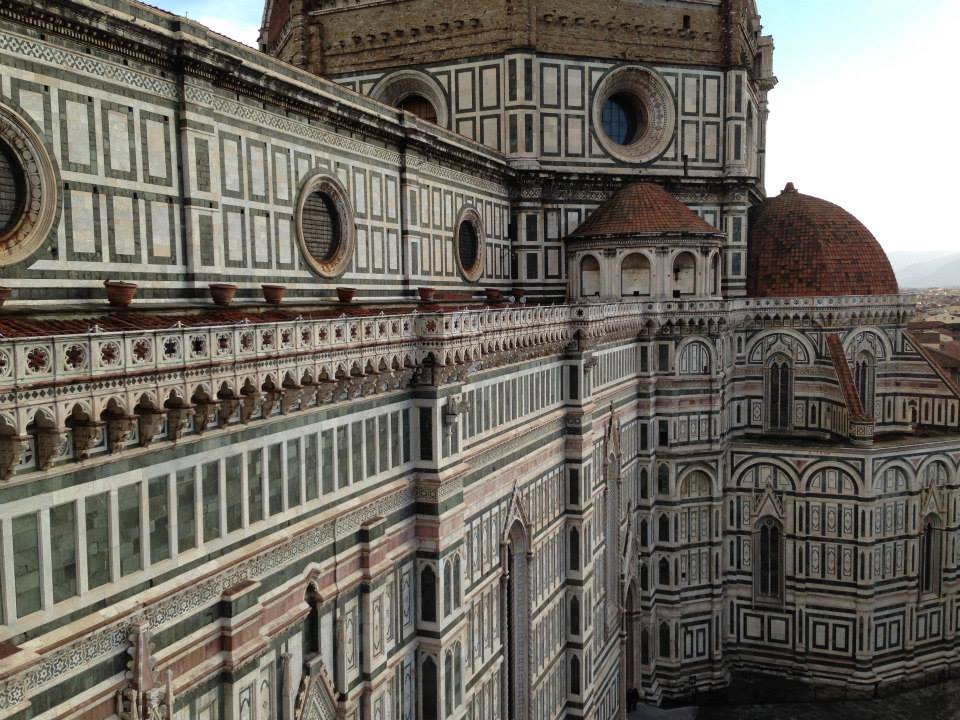
• Political Churches in Florence: Many Renaissance churches in Florence, such as Santa Maria del Fiore, were used for political gatherings in addition to their religious functions. These churches became places where political figures could meet and assert their influence.
5. Conclusion
Renaissance church architecture was not only a reflection of religious ideals but also a powerful instrument of political and social power. These buildings symbolized the authority of both the Pope and the Church, creating an enduring impact on culture and society. Renaissance architects, through their art and architecture, depicted religious and political power, and their works continue to reflect the intricate history of the interaction between politics, religion, and culture during the Renaissance.
References
• King, P. (2005). The Politics of Sacred Space: Church Architecture in the Renaissance. Cambridge University Press.
• Mitchell, J. (2013). Renaissance Architecture and the Politics of Religion. Oxford University Press.
• Deubner, C. (2017). The Religious Power of Architecture: Church Design in Early Renaissance Italy. Routledge.
• Brown, K. (2000). Art and Power: The Role of Politics in Renaissance Church Architecture. Yale University Press.
Farzad Jalali Mollam
JUL-2025
دیدگاهها
هیچ نظری هنوز ثبت نشده است.