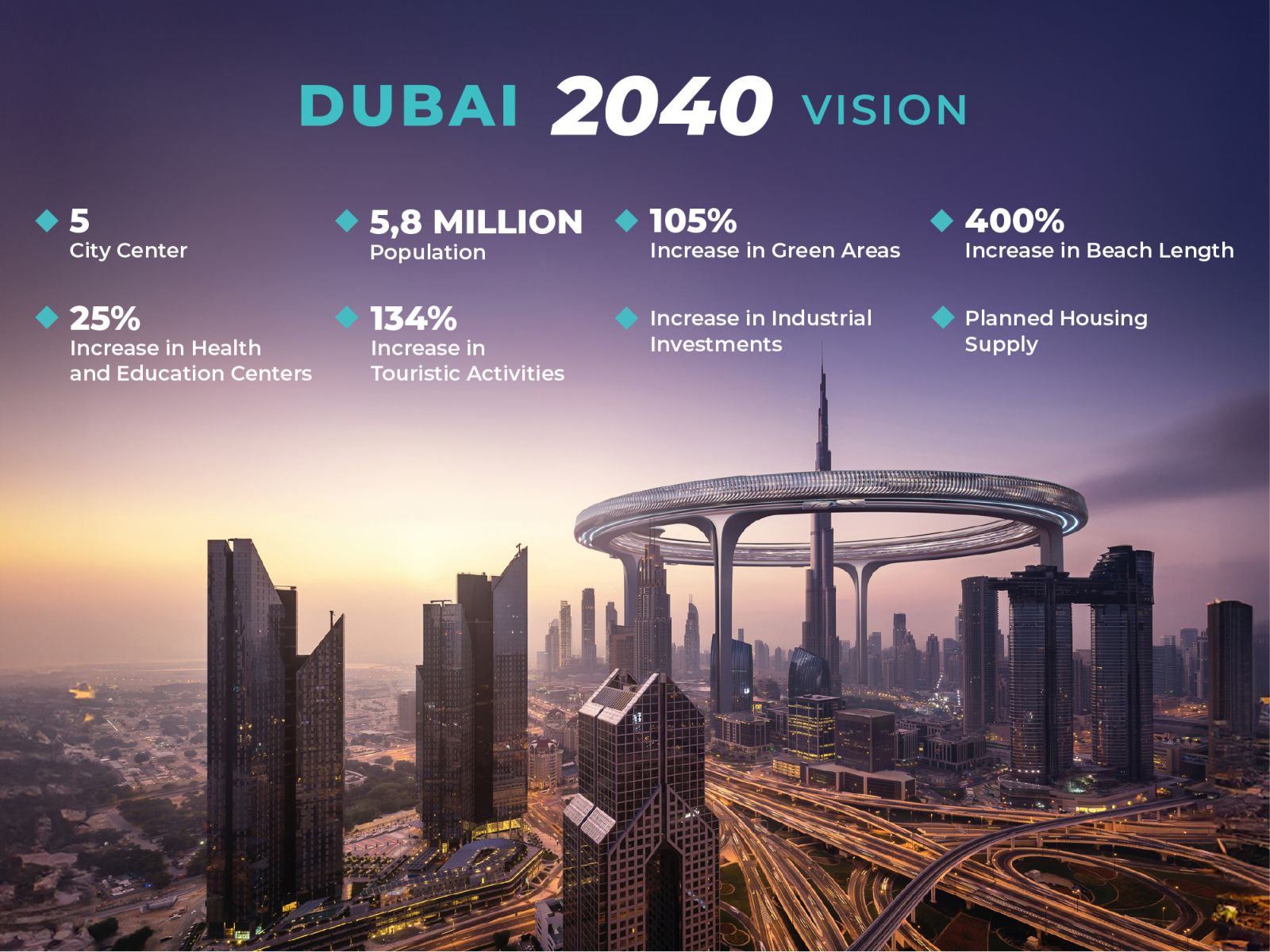
The Evolution of Dubai's Skyline: From Iconic Skyscrapers to Sustainable Urban Spaces
Introduction
Dubai, often referred to as the "City of Gold," has undergone a remarkable transformation over the past few decades. From a modest desert city to a global metropolis, Dubai's skyline is a testament to architectural innovation, ambition, and resilience. This article explores the evolution of Dubai's architectural landscape, highlighting key projects and the city's shift towards sustainability and community-focused urban spaces.
Historical Context
Dubai's architectural journey began in earnest in the late 20th century. The discovery of oil in the 1960s provided the financial impetus for rapid development. However, it was the strategic vision of Dubai's leaders to create a diversified economy that truly shaped its skyline. The 1970s marked the beginning of Dubai's ascent with the construction of the Dubai World Trade Centre, the city's first high-rise building.
Iconic Architectural Landmarks
1. Burj Al Arab
- Opened in 1999, the Burj Al Arab is one of the world's most luxurious hotels and a symbol of Dubai's opulence. Its sail-shaped design and location on an artificial island make it an architectural marvel and a major tourist attraction. The Burj Al Arab's unique design, inspired by the sail of a dhow, reflects Dubai's maritime heritage and its ambition to be a global leader in luxury hospitality. The interior of the Burj Al Arab is equally opulent, featuring a grand atrium, lavish suites, and world-class dining experiences.
2. Burj Khalifa
- Standing at 828 meters, the Burj Khalifa is the tallest building in the world. Completed in 2010, it is not just an engineering feat but a symbol of Dubai's aspirations. The Burj Khalifa attracts millions of tourists eager to experience its sky-high observation deck. The building's design, inspired by the Hymenocallis flower, incorporates Islamic architectural elements and advanced engineering techniques to withstand the harsh desert climate. The Burj Khalifa also houses residential apartments, corporate suites, and the luxurious Armani Hotel, making it a multifunctional skyscraper.
3. Palm Jumeirah
- This man-made island is a feat of engineering that illustrates Dubai's penchant for luxury living. The Palm is home to numerous hotels, resorts, and residences, offering a unique lifestyle experience surrounded by the Arabian Gulf's azure waters. The Palm Jumeirah's design, resembling a palm tree, maximizes waterfront views and provides a unique blend of residential, leisure, and entertainment facilities. Notable landmarks on the Palm include the Atlantis, The Palm resort, which features an underwater aquarium and a water park, and the Nakheel Mall, a premier shopping destination.
4. Museum of the Future
- Opened in 2022, this architectural masterpiece is a hub for innovation and technology. Its torus-shaped design, adorned with calligraphy, represents humanity's future potential, serving as a center for forward-thinking ideas. The museum's façade, made of stainless steel and glass, features Arabic calligraphy of quotes from Sheikh Mohammed bin Rashid Al Maktoum, symbolizing Dubai's vision for the future. Inside, the museum hosts exhibitions on cutting-edge technologies, sustainable solutions, and futuristic concepts, making it a beacon of innovation.
Sustainable Architecture
In recent years, Dubai has pivoted towards more sustainable designs, aligning with global environmental trends. The Dubai Sustainable City is a prime example, featuring energy-efficient homes, green spaces, and renewable energy resources. This shift underscores Dubai's commitment to reducing its carbon footprint while maintaining its reputation for architectural elegance.
Case Study:
The Dubai Sustainable City
The Dubai Sustainable City is a pioneering project that sets new standards for sustainable living. It includes 500 villas equipped with solar panels, energy-efficient appliances, and water-saving fixtures. The community features extensive green spaces, organic farms, and a car-free zone to promote a healthy lifestyle. The city also incorporates a waste management system that recycles 100% of waste, demonstrating Dubai's commitment to sustainability. Additionally, the city has educational facilities and research centers focused on sustainability, fostering a culture of environmental awareness and innovation.
Case Study:
The Alserkal Avenue
Alserkal Avenue, located in the Al Quoz industrial area, is a cultural district that has embraced sustainable architecture. The district features repurposed warehouses that house art galleries, creative studios, and performance spaces. The use of recycled materials and energy-efficient systems in the renovation of these buildings highlights Dubai's commitment to sustainability in the cultural sector. Alserkal Avenue also hosts events and workshops focused on environmental sustainability, promoting green practices within the creative community.
Future Developments
Dubai's skyline is set to change further with projects like the Dubai Creek Tower, anticipated to surpass the Burj Khalifa in height, and the Marsa Al Arab, which promises more luxury hotels and entertainment facilities. These developments highlight Dubai's relentless pursuit of architectural excellence and its desire to remain at the forefront of global urbanization.
Case Study:
Dubai Creek Tower
The Dubai Creek Tower, designed by Santiago Calatrava, is set to become the tallest structure in the world. Inspired by the lily flower, the tower will feature observation decks offering panoramic views of the city. The project aims to create a new urban landmark that combines cutting-edge design with sustainability, incorporating renewable energy sources and advanced building technologies. The tower will be the centerpiece of the Dubai Creek Harbour development, which includes residential, commercial, and leisure spaces designed to create a vibrant waterfront community.
Case Study:
Marsa Al Arab
Marsa Al Arab is a mega-development project that aims to expand Dubai's coastline with two new islands. The project will feature luxury hotels, a marine park, and a dedicated area for cultural and family-friendly activities. Marsa Al Arab is designed to enhance Dubai's tourism offerings while promoting sustainable development practices. The islands will include green spaces, pedestrian-friendly pathways, and renewable energy systems, aligning with Dubai's vision for a sustainable future.
Conclusion
Dubai's skyline is more than just a collection of buildings; it is a narrative of human ingenuity, ambition, and resilience. From iconic skyscrapers like the Burj Khalifa to sustainable urban spaces, Dubai continues to push the boundaries of architectural innovation. As the city grows and evolves, its architecture will undoubtedly play a pivotal role in shaping its identity on the world stage. The ongoing and future projects in Dubai reflect a commitment to blending luxury with sustainability, ensuring that the city remains a global leader in architectural excellence.
References
1. Batty, M. (2018). "Artificial Intelligence and Urban Planning: New Approaches to Urban Modeling." *Journal of Urban Technology*, 25(1), 3-17.
2. Kandt, J., & Batty, M. (2021). "Smart Cities, Big Data and Urban Policy: Towards Urban Analytics for the Long Run." *Cities*, 109, 102992.
3. Townsend, A. M. (2013). *Smart Cities: Big Data, Civic Hackers, and the Quest for a New Utopia*. W.W. Norton & Company.
4. McKinsey Global Institute. (2018). "Smart Cities: Digital Solutions for a More Livable Future." Retrieved from [McKinsey & Company](https://www.mckinsey.com).
5. United Nations. (2019). "World Urbanization Prospects: The 2018 Revision." Retrieved from [UN Department of Economic and Social Affairs](https://www.un.org).
Farzad Jalali Mosallam
NOV-2024
دیدگاهها
هیچ نظری هنوز ثبت نشده است.