Iran Mall: A Fusion of Traditional and Modern Architecture
Introduction
Iran Mall, located in northwest Tehran by Chitgar Lake, is one of the largest and most ambitious architectural projects in the Middle East. Covering a total area of 1,950,000 square meters (21,000,000 square feet), it is the world's largest shopping mall. The complex is built on a land area of 317,000 square meters (3,410,000 square feet) and spans seven floors. The first phase of the mall, which opened in 2018, includes 267,000 square meters (2,870,000 square feet) of gross leasable area and 708 retail units. The mall features over 2,500 stores, a parking capacity for more than 20,000 vehicles, and numerous cultural, recreational, and commercial facilities. This article explores how Iran Mall integrates elements of traditional Iranian architecture with modern design principles, creating a unique and cohesive structure.
Traditional Architectural Elements
Iran Mall's design pays homage to Iran's rich architectural heritage. One of the most striking features is the traditional bazaar, inspired by the historic markets of cities like Isfahan, Kashan, Shiraz, Qazvin, and Qom. This bazaar incorporates traditional architectural elements such as vaulted ceilings, intricate tile work, and ornate arches, creating an atmosphere reminiscent of ancient Persian marketplaces.
Case Study: The Traditional Bazaar
The traditional bazaar within Iran Mall is a meticulously designed space that captures the essence of historical Iranian markets. The use of traditional materials and construction techniques, such as brickwork and stucco, adds authenticity to the space. The bazaar is not only a commercial area but also a cultural experience, offering visitors a glimpse into Iran's architectural and cultural history. The layout of the bazaar is designed to facilitate social interactions, with narrow alleys and small shops that encourage exploration and discovery. The incorporation of traditional Persian elements, such as colorful mosaics and intricate woodwork, enhances the aesthetic appeal and cultural significance of the space.
Case Study: The Persian Garden
Another notable traditional element is the Persian Garden, inspired by the classical gardens of Iran. These gardens are designed to provide a serene and green space within the bustling environment of the mall. The Persian Garden features water elements, lush greenery, and symmetrical layouts, reflecting the traditional Persian garden design principles. The garden serves as a tranquil retreat for visitors, offering a peaceful environment for relaxation and contemplation. The use of native plants and traditional landscaping techniques further enhances the authenticity and sustainability of the garden.
Modern Design Principles
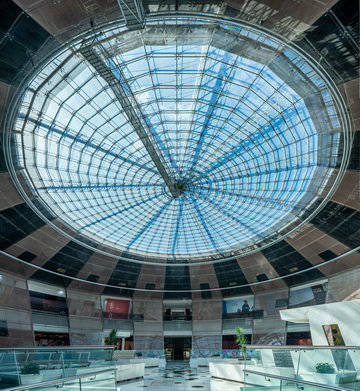
While deeply rooted in tradition, Iran Mall also embraces modern architectural principles. The mall's design incorporates state-of-the-art construction techniques and materials, ensuring durability and functionality. The use of glass and steel in the mall's structure provides a contemporary aesthetic, while large open spaces and high ceilings create a sense of grandeur and openness.
Case Study: The Mirror Hall
The Mirror Hall in Iran Mall is a modern interpretation of the Hall of Mirrors in the Golestan Palace. This space features extensive use of mirrors and glass, creating a dazzling effect that enhances the mall's luxurious ambiance. The design seamlessly blends traditional Persian motifs with modern materials, showcasing the mall's commitment to architectural innovation. The Mirror Hall is used for various events and exhibitions, providing a versatile space that can be adapted for different purposes. The use of advanced lighting and sound systems further enhances the functionality and appeal of the hall.
Case Study: The Hypermarket
The hypermarket within Iran Mall is a prime example of modern retail design. Spanning a vast area, the hypermarket offers a wide range of products and services, catering to the diverse needs of shoppers. The design of the hypermarket focuses on convenience and efficiency, with wide aisles, clear signage, and modern checkout systems. The use of energy-efficient lighting and refrigeration systems reflects the mall's commitment to sustainability. The hypermarket also features innovative retail technologies, such as self-checkout stations and digital price tags, enhancing the shopping experience for customers.
Integration of Traditional and Modern Elements
Iran Mall successfully integrates traditional and modern architectural elements, creating a harmonious blend that appeals to both local and international visitors. The mall's gardens, such as the Didar Garden and Mahan Garden, are prime examples of this integration. These gardens draw inspiration from traditional Persian gardens, featuring water elements, lush greenery, and symmetrical layouts, while incorporating modern landscaping techniques and materials.
Case Study: Didar Garden
Didar Garden, also known as the Meeting Garden, is inspired by the historic Mahan Garden in Iran. This garden is designed to provide a serene and green space within the bustling environment of the mall. The use of glass for the garden's roof allows natural light to flood the space, creating a bright and inviting atmosphere. The garden's design encourages social interaction and relaxation, making it a popular spot for visitors. The incorporation of modern elements, such as LED lighting and automated irrigation systems, enhances the functionality and sustainability of the garden.
Case Study: The Roof Garden
The Roof Garden at Iran Mall is another example of the successful integration of traditional and modern elements. This garden offers panoramic views of Tehran and provides a green oasis in the urban environment. The design of the Roof Garden incorporates traditional Persian garden elements, such as water features and geometric layouts, while using modern materials and construction techniques. The garden is designed to be a multifunctional space, hosting events, gatherings, and recreational activities. The use of sustainable practices, such as rainwater harvesting and solar panels, reflects the mall's commitment to environmental responsibility.
Cultural and Social Impact
Iran Mall is not just a commercial hub; it is a cultural and social landmark. The mall houses the Jondishapour Library, named after the ancient Jondishapur University, which serves as a center for learning and cultural exchange. Additionally, the mall features spaces for art exhibitions, cultural events, and community gatherings, fostering a sense of community and cultural appreciation.
Case Study: Jondishapour Library
The Jondishapour Library within Iran Mall is a testament to the mall's cultural significance. This library offers a vast collection of books and resources, promoting education and intellectual growth. The design of the library combines traditional Persian architectural elements with modern amenities, creating a space that is both functional and aesthetically pleasing. The library hosts various cultural events, such as book readings and lectures, providing a platform for cultural exchange and intellectual engagement. The use of digital technologies, such as e-books and online databases, enhances the accessibility and convenience of the library's resources.
Case Study: The Art Gallery
The Art Gallery at Iran Mall is another cultural highlight. This gallery showcases works by Iranian and international artists, promoting cultural diversity and artistic expression. The design of the gallery incorporates modern exhibition techniques, such as adjustable lighting and modular display systems, allowing for flexible and dynamic presentations. The gallery hosts regular exhibitions, workshops, and cultural events, fostering a vibrant cultural scene within the mall. The integration of traditional Persian art forms, such as calligraphy and miniature painting, with contemporary art practices, reflects the mall's commitment to cultural preservation and innovation.
Case Study: The Cinema Complex
The cinema complex at Iran Mall is one of the largest in the region, featuring multiple screens and state-of-the-art audiovisual technology. The design of the cinema complex combines modern comfort with traditional Persian aesthetics, creating a unique movie-going experience. The complex hosts film festivals and special screenings, contributing to the cultural vibrancy of the mall. The use of advanced projection and sound systems ensures a high-quality viewing experience, while the incorporation of traditional design elements, such as Persian motifs and decorative patterns, adds a cultural touch to the space.
Conclusion
Iran Mall stands as a remarkable example of how traditional and modern architectural elements can be seamlessly integrated to create a unique and cohesive structure. By blending the rich heritage of Iranian architecture with contemporary design principles, Iran Mall not only serves as a commercial center but also as a cultural and social landmark. As one of the largest malls in the world, it sets new standards for architectural innovation and cultural integration in the Middle East.
refrence
: [1](https://en.wikipedia.org/wiki/Iran_Mall)
Farzad Jalali Mosallam
NOV-2024
دیدگاهها
هیچ نظری هنوز ثبت نشده است.