Brutalist Architecture: From Foundational Principles to Contemporary Revival
1. Introduction
Brutalist architecture is a distinctive style that emerged in the 1950s, characterized by its bold, rugged forms and the raw use of materials such as concrete, steel, and glass. The term "Brutalism" is derived from the French word "béton brut," meaning "raw concrete," reflecting the style's emphasis on exposing building materials and structural elements rather than concealing them¹.
2. Historical Context
Brutalism developed as a response to the socioeconomic conditions of the post-World War II era. The need for affordable housing and functional public buildings drove architects to adopt a pragmatic approach, focusing on practicality and functionality. This movement was a departure from the ornate styles of previous decades, favoring stark, utilitarian forms².
3. Key Characteristics
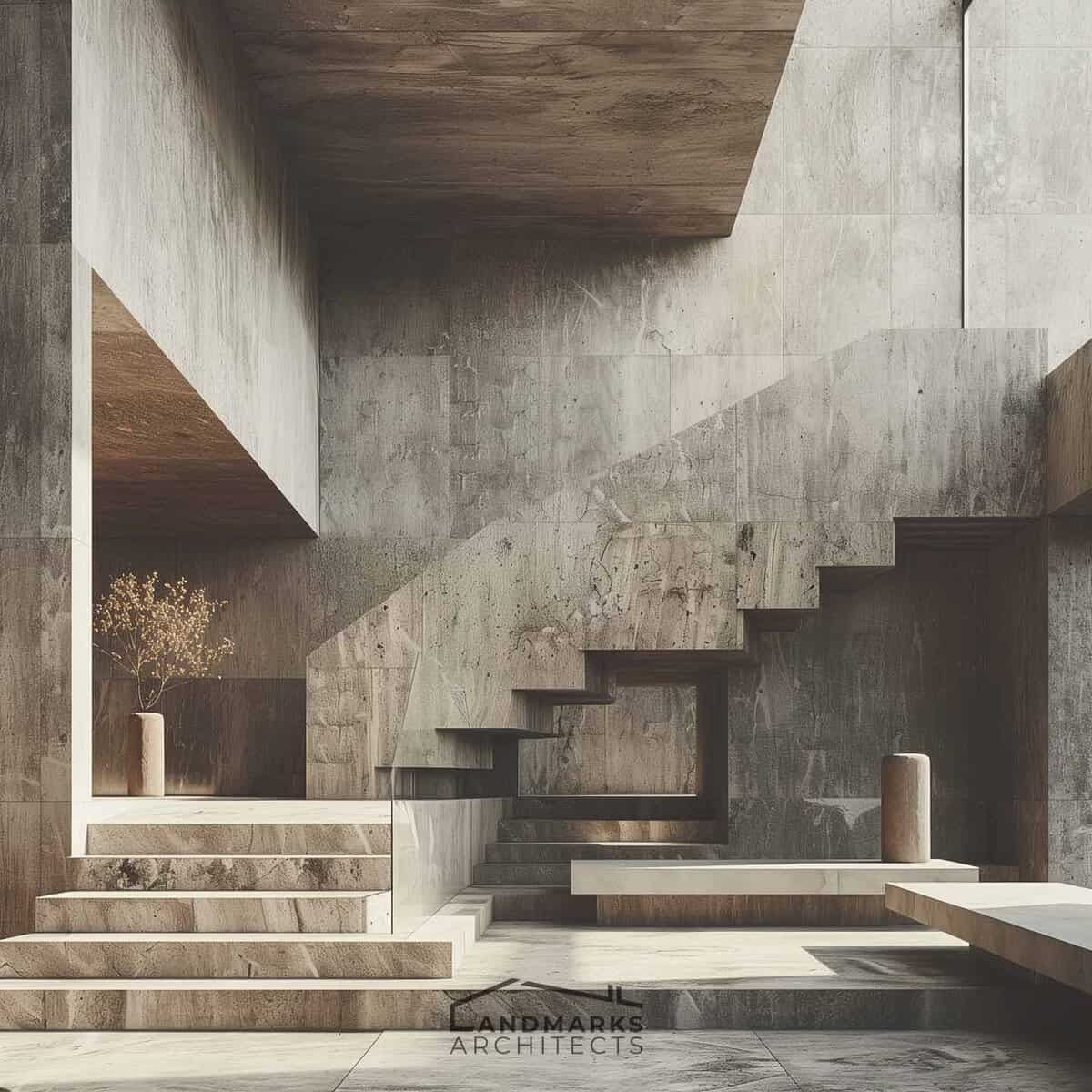
Brutalist buildings are known for their minimalist constructions, showcasing bare building materials and structural elements over decorative design. Common features include exposed, unpainted concrete or brick, angular geometric shapes, and a predominantly monochrome color palette. Other materials such as steel, timber, and glass are also used¹.
4. Influential Architects and Their Works
- Le Corbusier: Known for the Unité d'Habitation in Marseille, which exemplifies communal living principles.
- Paul Rudolph: Famous for the Boston Government Service Center.
- Alison and Peter Smithson: Known for Robin Hood Gardens in London.
- Other notable architects include Ernő Goldfinger, known for Trellick Tower, and the British firm Chamberlin, Powell & Bon, known for the Barbican Centre².
5. Periods of Brutalism
- Early Brutalism (1950s-1960s): This period saw the initial development of Brutalist principles, with architects like Le Corbusier and the Smithsons leading the way. Buildings from this era often emphasized social progress and egalitarian ideals.
- Mature Brutalism (1960s-1970s): During this time, Brutalism became more widespread, particularly in government buildings, housing complexes, and educational institutions. The style's bold forms and raw materials were used to symbolize strength and functionality.
- Late Brutalism (1970s-1980s): The popularity of Brutalism began to decline in the late 1970s, with some associating the style with urban decay and totalitarianism. However, many Brutalist buildings from this period have since gained cultural significance and protected status¹².
6. Iconic Brutalist Buildings Around the World
- Barbican Centre, London: A residential, cultural, and arts complex known for its stark, concrete design.
- Habitat 67, Montreal: A model community and housing complex designed by architect Moshe Safdie.
- Trellick Tower, London: A residential building designed by Ernő Goldfinger, known for its distinctive, fortress-like appearance.
- Yale Art and Architecture Building, New Haven: Designed by Paul Rudolph, this building is noted for its complex spatial organization and rough concrete surfaces².
7. The Philosophy Behind Brutalism
Brutalism is rooted in the principles of honesty in materials and construction. It emphasizes the visibility of a building's structure and materials, rejecting unnecessary ornamentation. This philosophy aligns with the modernist movement's ideals of functionality and social progress, aiming to create buildings that serve the needs of the community¹.
8. Criticism and Controversies
Brutalism has been a polarizing style, with critics often describing it as "cold" or "soulless." Some associate Brutalist buildings with urban decay and totalitarianism, leading to the demolition of many structures. However, there is also a growing appreciation for Brutalism's bold aesthetics and historical significance, with efforts to preserve and protect iconic buildings².
9. The Resurgence of Brutalism in Contemporary Architecture
In recent years, there has been a revival of interest in Brutalist architecture. Contemporary architects are drawing inspiration from Brutalism's emphasis on raw materials and structural honesty, incorporating these elements into modern designs. This resurgence highlights the enduring legacy of Brutalism and its influence on contemporary architectural practices².
10. Conclusion
Brutalist architecture remains a significant and influential style in architectural history. Its emphasis on raw materials and structural honesty continues to inspire contemporary designers, highlighting the enduring legacy of this bold architectural movement.
Source:
(1) Brutalist architecture - Wikipedia. https://en.wikipedia.org/wiki/Brutalist_architecture.
(2) Understanding the Brutalist Architectural Style. https://archovavisuals.com/understanding-the-brutalist-architectural-style/.
(3) Brutalist Architecture: Characteristics, Influences, Ambassadors and Sights. https://www.architecturelab.net/architecture/styles/brutalist-architecture/.
Farzad Jalali Mosalam
NOV-2024
دیدگاهها (۱)
ناشناس
۰۷ بهمن ۰۳ ، ۱۶:۳۴
Brutalist architecture remains a significant and influential style in architectural history. Its emphasis on raw materials and structural honesty continues to inspire contemporary designers, highlighting the enduring legacy of this bold architectural movement.