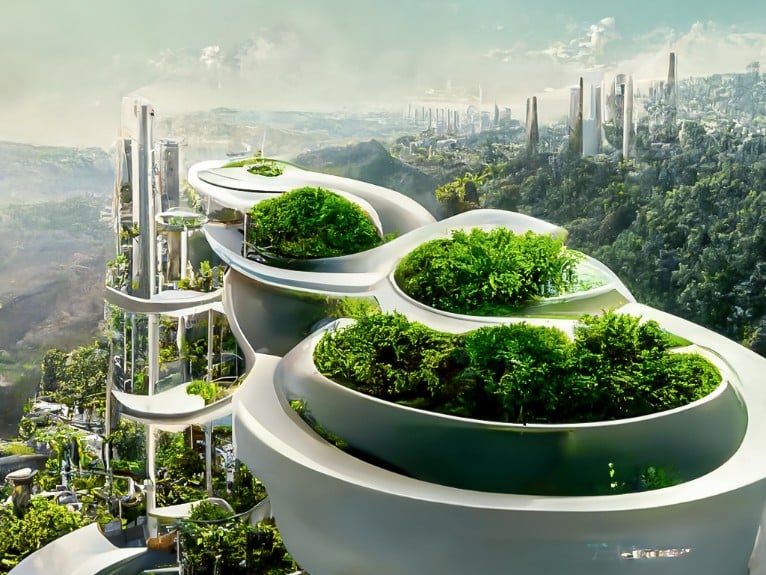
AI in Urban Planning: Transforming City Design for a Sustainable Future
Introduction
Urban planning is a multifaceted discipline that involves the design and regulation of the use of space within urban areas. It aims to create environments that are functional, sustainable, and conducive to the well-being of their inhabitants. With the rapid urbanization and the increasing complexity of cities, traditional urban planning methods often fall short in addressing the myriad challenges faced by modern urban environments. Artificial Intelligence (AI) offers innovative solutions to these challenges by providing data-driven insights, optimizing resource allocation, and enhancing decision-making processes.
The Role of AI in Urban Planning
AI technologies are transforming urban planning in several key areas:
1. Data Analysis and Predictive Modeling
AI can analyze vast amounts of data from various sources, such as satellite imagery, social media, and sensors, to identify patterns and trends. Predictive modeling helps urban planners forecast future scenarios, such as population growth, traffic congestion, and environmental impacts, enabling proactive planning and decision-making. For instance, AI can predict areas that are likely to experience high population growth, allowing planners to allocate resources and infrastructure accordingly.
2. Smart Infrastructure and Utilities
AI-driven systems can optimize the management of urban infrastructure and utilities. For example, AI can improve the efficiency of energy grids by predicting demand and adjusting supply in real-time. Similarly, AI can enhance water distribution networks by identifying leaks and optimizing water flow. In waste management, AI can predict waste generation patterns and optimize collection routes, reducing operational costs and environmental impact.
3. Transportation and Mobility
AI enhances urban mobility by optimizing traffic flow, reducing congestion, and improving public transportation systems. AI algorithms can analyze real-time traffic data to adjust traffic signals, suggest alternative routes, and manage public transit schedules. This leads to more efficient and sustainable transportation networks. For example, AI can help reduce traffic congestion by dynamically adjusting traffic light timings based on real-time traffic conditions.
4. Urban Design and Land Use
AI tools can assist in urban design by generating multiple design options based on specific criteria, such as land use, zoning regulations, and environmental considerations. This generative design approach allows planners to explore a wide range of possibilities and select the most optimal solutions for urban development. AI can also help in identifying the best locations for new developments, taking into account factors such as accessibility, environmental impact, and community needs.
5. Environmental Monitoring and Sustainability
AI can monitor environmental conditions, such as air quality, noise levels, and temperature, to ensure that urban areas remain healthy and sustainable. AI-driven systems can support the implementation of green infrastructure, such as parks and green roofs, by identifying the best locations and designs to maximize environmental benefits. For example, AI can analyze data on air pollution levels to identify areas that would benefit most from the introduction of green spaces.
Case Studies and Applications
Several cities around the world have successfully integrated AI into their urban planning processes:
Singapore:
The city-state uses AI to manage its public transportation system, optimize energy consumption in buildings, and monitor environmental conditions. AI-driven solutions have helped Singapore become one of the most sustainable and efficient cities globally. For instance, Singapore's Land Transport Authority uses AI to predict and manage traffic congestion, improving overall traffic flow and reducing travel times.
Barcelona:
Barcelona employs AI to enhance its smart city initiatives, including traffic management, waste collection, and energy efficiency. The city's AI-powered urban platform collects and analyzes data from various sources to improve city services and quality of life for residents. Barcelona's smart waste management system uses AI to optimize waste collection routes, reducing operational costs and environmental impact.
New York City:
NYC uses AI to predict and manage traffic congestion, optimize public transportation routes, and monitor air quality. AI technologies have enabled the city to make data-driven decisions that enhance urban mobility and sustainability. For example, NYC's Department of Transportation uses AI to analyze traffic patterns and adjust traffic signal timings in real-time, reducing congestion and improving traffic flow.
Challenges and Future Prospects
While AI offers significant benefits for urban planning, several challenges must be addressed:
Data Privacy and Security:
The collection and analysis of large amounts of data raise concerns about privacy and security. Ensuring that data is collected and used ethically is crucial for gaining public trust and compliance with regulations. Urban planners must implement robust data protection measures to safeguard sensitive information and prevent unauthorized access.
Integration with Existing Systems:
Integrating AI technologies with existing urban infrastructure and systems can be complex and costly. Planners must ensure that AI solutions are compatible with current technologies and processes. This may require significant investments in upgrading infrastructure and training personnel to work with AI systems.
Equity and Accessibility:
AI-driven urban planning must consider the needs of all residents, including marginalized and underserved communities. Ensuring equitable access to AI benefits is essential for creating inclusive and just cities. Planners must work to ensure that AI solutions do not exacerbate existing inequalities and that all residents have access to the benefits of AI-driven urban planning.
Despite these challenges, the future of AI in urban planning is promising. Advances in AI technologies, such as machine learning, computer vision, and natural language processing, will continue to enhance urban planning processes and outcomes. As cities strive to become more sustainable and resilient, AI will play a critical role in shaping the urban environments of the future.
Conclusion
AI is revolutionizing urban planning by providing innovative solutions to complex challenges. From data analysis and predictive modeling to smart infrastructure and environmental monitoring, AI technologies are enabling cities to become more sustainable, efficient, and livable. As urban populations continue to grow, the integration of AI in urban planning will be essential for creating the cities of tomorrow.
References
1. Batty, M. (2018). "Artificial Intelligence and Urban Planning: New Approaches to Urban Modeling." *Journal of Urban Technology*, 25(1), 3-17.
2. Kandt, J., & Batty, M. (2021). "Smart Cities, Big Data and Urban Policy: Towards Urban Analytics for the Long Run." *Cities*, 109, 102992.
3. Townsend, A. M. (2013). *Smart Cities: Big Data, Civic Hackers, and the Quest for a New Utopia*. W.W. Norton & Company.
4. McKinsey Global Institute. (2018). "Smart Cities: Digital Solutions for a More Livable Future." Retrieved from [McKinsey & Company](https://www.mckinsey.com).
5. United Nations. (2019). "World Urbanization Prospects: The 2018 Revision." Retrieved from [UN Department of Economic and Social Affairs](https://www.un.org).
Farzad Jalali Mosallam
Feb-2024
دیدگاهها
هیچ نظری هنوز ثبت نشده است.