Introduction
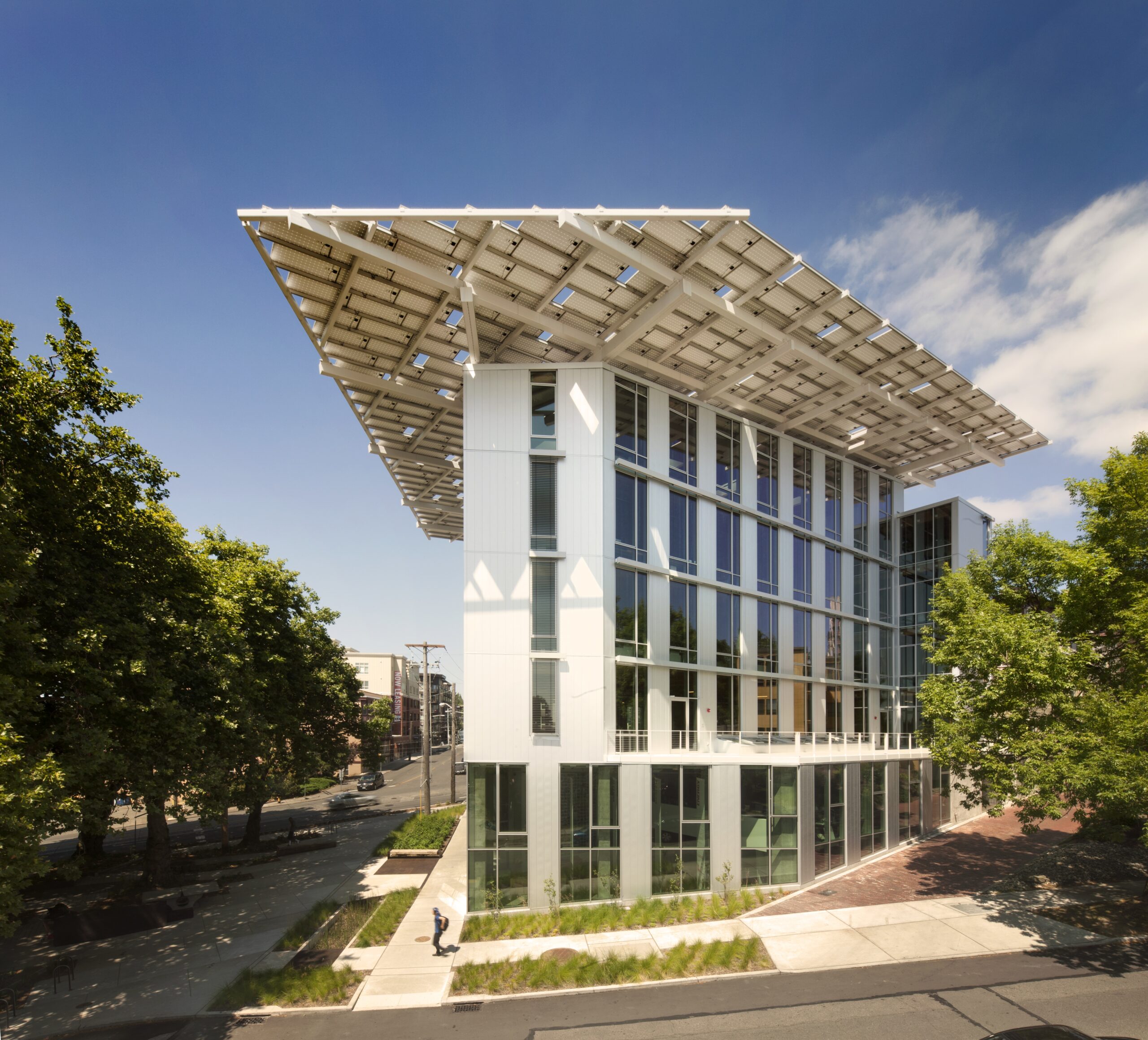
The Bullitt Center in Seattle, Washington, stands as a pioneering example of sustainable architecture. Opened on Earth Day in 2013, this six-story, 50,000 square foot office building was designed by the Miller Hull Partnership and funded by the Bullitt Foundation. The Bullitt Center is often hailed as the world's greenest commercial building, embodying the principles of sustainability and innovation.
The building's design and construction were driven by the ambitious goals of achieving net zero energy, water, and carbon. It serves as a living laboratory for sustainable design, demonstrating that it is possible to create a commercially viable, carbon-neutral office space that is both beautiful and functional. The Bullitt Center has set a new standard for green buildings and continues to inspire architects and developers worldwide.
Historical Background
The Bullitt Center was conceived as part of the Bullitt Foundation's mission to promote environmental sustainability in the Pacific Northwest. The foundation, established by Dorothy Bullitt in 1952, has a long history of supporting environmental causes. The idea for the Bullitt Center emerged from the foundation's desire to create a building that would not only minimize its environmental impact but also serve as a model for future developments.
Construction of the Bullitt Center began in 2011 and was completed in 2013. The project faced numerous challenges, including the need to meet the stringent requirements of the Living Building Challenge, a certification program that sets the highest standards for sustainable building practices. Despite these challenges, the Bullitt Center was successfully completed and has since become a landmark in sustainable architecture.
Sustainability Features
Net Zero Energy
One of the most remarkable features of the Bullitt Center is its ability to generate all its energy on-site using a large array of photovoltaic panels. These panels produce around 230,000 kilowatt-hours annually, making the building 83% more efficient than typical commercial buildings in Seattle. The building's energy systems are designed to be highly efficient, with features such as triple-glazed windows, advanced insulation, and energy-efficient lighting and appliances.
Water Management
The Bullitt Center operates independently of the municipal water supply, thanks to its innovative water management system. Rainwater is collected in a 56,000-gallon cistern, where it is filtered and disinfected for use. This system not only reduces the building's reliance on external water sources but also helps to manage stormwater runoff, reducing the impact on local waterways.
Composting Toilets
The building uses aerobic composters to process human waste. These composters are highly efficient and odorless, requiring compost extraction only every 18 months. The compost produced is used to fertilize the building's landscaping, creating a closed-loop system that minimizes waste and environmental impact.
Toxic-Free Materials
The Bullitt Center avoids 350 common toxic chemicals, including PVC, lead, mercury, and formaldehyde. This commitment to non-toxic materials ensures a healthier environment for occupants and reduces the building's overall environmental footprint. The use of sustainable materials also contributes to the building's aesthetic appeal, with natural finishes and exposed structural elements creating a warm, inviting atmosphere.
Natural Light and Ventilation
With 13-foot-high ceilings and 10-foot-high windows, the Bullitt Center maximizes natural light and ventilation. This design not only reduces energy consumption but also creates a pleasant working environment. The building's orientation and shading devices are carefully designed to optimize daylighting while minimizing glare and heat gain.
Design and Aesthetics
The Bullitt Center is not just functional but also aesthetically pleasing. Its design incorporates native Douglas Fir for the timber and steel frame, giving it a warm, natural look. The exposed structural elements and large windows create an airy, loft-like feel that is both modern and inviting. The building's interior spaces are designed to be flexible and adaptable, with open floor plans that can be easily reconfigured to meet the needs of different tenants.
Innovative Systems
One of the most impressive aspects of the Bullitt Center is its transparency in showcasing its sustainable systems. The mechanical and electrical rooms have large glass windows, allowing visitors to see the state-of-the-art engineering in action. Additionally, a kiosk provides real-time data on the building’s indoor air quality, energy consumption, and water levels. This transparency not only educates visitors about sustainable building practices but also encourages accountability and continuous improvement.
Impact and Legacy
The Bullitt Center serves as a living laboratory for sustainable design. It demonstrates that it is possible to create a commercially viable, carbon-neutral office space that is also beautiful and functional. The building has inspired numerous other projects and continues to be a benchmark for sustainable architecture. Its success has shown that sustainable buildings can be both economically viable and environmentally responsible, paving the way for future developments.
Conclusion
In summary, the Bullitt Center is a pioneering example of how buildings can be designed to be both environmentally friendly and aesthetically pleasing. Its innovative systems and commitment to sustainability make it a model for future architectural projects. The building's success demonstrates the potential for sustainable design to create spaces that are not only functional and beautiful but also have a positive impact on the environment.
Farzad Jalali Mosallam
NOV-2024
دیدگاهها
هیچ نظری هنوز ثبت نشده است.