موضوع:
سیر تکامل معماری کلاسیک از پیدایش تا به امروز و عوامل تاثیرگذار بر این سبک
مقدمه:
معماری کلاسیک، اصطلاحی که سبکهای معماری دوران باستان یونان و روم را در بر میگیرد،
طی تاریخ بر محیطهای ساخته شده تاثیر شگرفی داشته است. اصول تقارن، تناسب و استفاده از
سفارشهای کلاسیک، زمان را درنوردیده و بر جنبشها و دورههای مختلف تا به امروز تاثیر گذاشتهاند.
منشأ و تاثیر یونان:
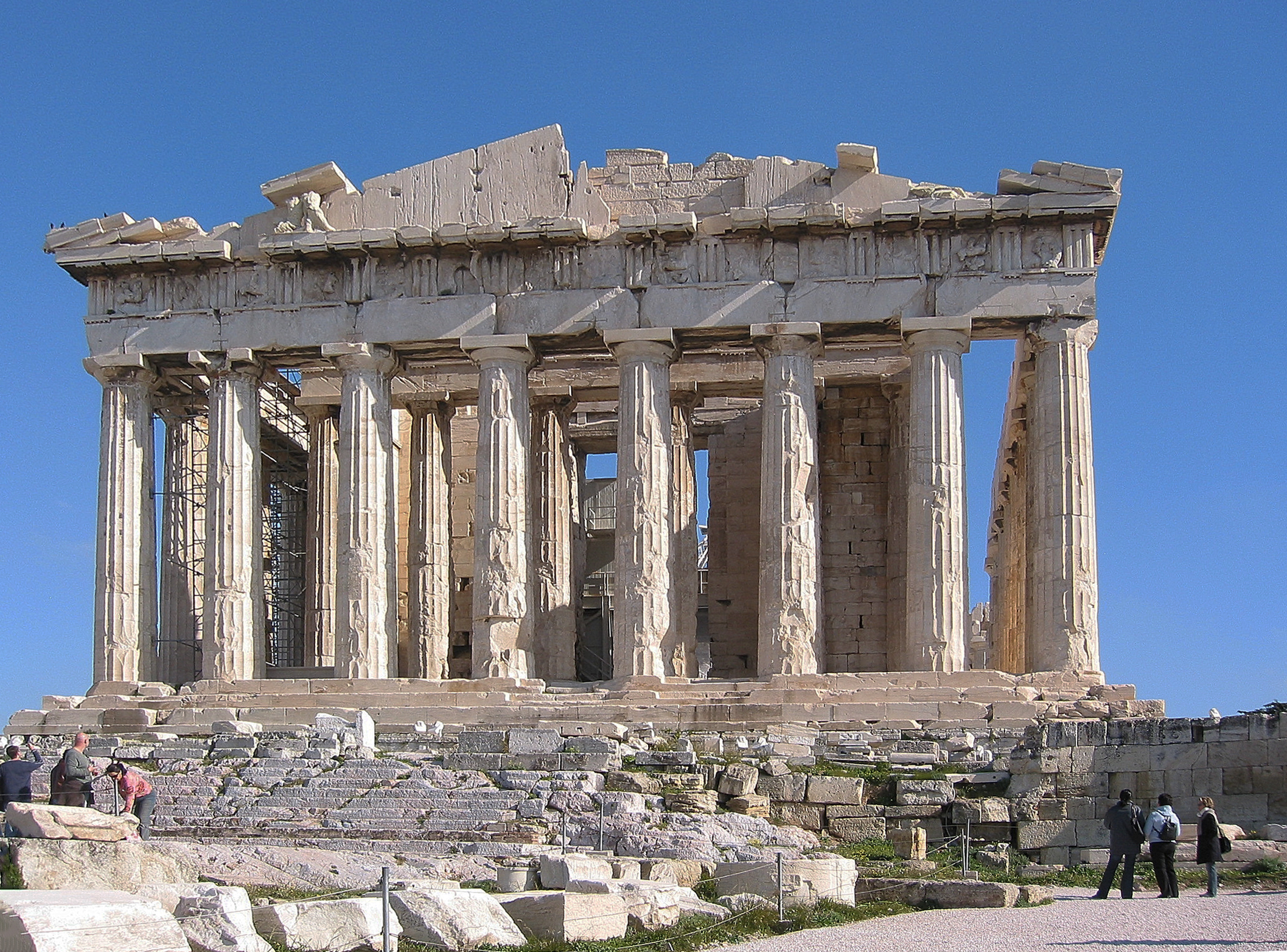
معماری کلاسیک در یونان باستان آغاز شد، جایی که سفارشهای دوریک، یونیک و کورینتی بنیانگذاریشدند.
این سفارشها استانداردهای زیبایی و هماهنگی معماری را تعیین کردند، با پارتنون در آتن بهعنوان نمونهای برجسته.
سهم روم و گسترش:
رومیان اصول معماری یونانی را پذیرفتند و با افزودن نوآوریهای خود مانند قوس و گنبد، آنها را تطبیقدادند.
آنها همچنین از بتن استفاده کردند که امکان ساخت سازههای بزرگتر و متنوعتر مانند کولوسئوم را فراهم کرد.
احیای رنسانس:
پس از سقوط امپراتوری روم، معماری کلاسیک طی رنسانس دوباره احیا شد. معمارانی مانند
برونلسکیو پالادیو به متون باستانی بازگشتند و اصول کلاسیک را دوباره در طرحهای خود گنجاندند،
با تاکید برتعادل و مقیاس انسانی.
تغییرات باروک و روکوکو:
دورههای باروک و روکوکو شاهد اتخاذ شکلی پویاتر و زینتیتر از معماری کلاسیک بودند.
ساختمانهای این دوره، مانند کاخ ورسای، با شکوه، استفاده دراماتیک از نور و تزئینات پیچیده مشخص میشوند.
نئوکلاسیسیسم و گرند تور:
نئوکلاسیسیسم قرن هجدهم توسط گرند تور، جایی که جوانان اشرافی اروپایی دوباره با باستانشناسی کلاسیک آشنا شدند، تغذیه شد. این جنبش به دنبال احیای خلوص معماری کلاسیک بود،
با حذف اضافات باروک و روکوکو.
مدرنیسم و فراتر از آن:
در قرن بیستم، مدرنیسم با تمرکز بر عملکرد و حداقلگرایی، به چالش کشیدن اشکال کلاسیک را آغازکرد.
با این حال، معماری کلاسیک همچنان بر طراحی معاصر تاثیر میگذارد، با معمارانی که از اصول بیزمان آن برای خلق ساختمانهایی که با پیوستگی تاریخی طنینانداز میشوند، استفاده میکنند.
عوامل تاثیرگذار:
چندین عامل بر تکامل معماری کلاسیک تاثیر گذاشتهاند:
تبادل فرهنگی: گسترش ایدههای کلاسیک از طریق تجارت و فتح.
پیشرفتهای فناوری: نوآوریها در مواد و تکنیکهای ساختوساز.
جنبشهای فکری: دورههای رنسانس و روشنگری که تاکید بر بازگشت به ایدههای کلاسی کداشتند.
قدرت سیاسی: استفاده از معماری کلاسیک برای بیان اقتدار و ثبات.
نتیجهگیری:
سفر معماری کلاسیک از دوران باستان تا به امروز، گواهی بر جذابیت و انعطافپذیری دائمی آن است.
این سبک همچنان معیاری برای برتری معماری است و با تاکید بر تناسب، نظم و زیبایی، بر تمرین معاصر تاثیر میگذارد.
فرزاد جلالی مسلم-1400
____________________________________________
The Evolution of Classical Architecture: From Inception to the Present
Introduction:
Classical architecture, a term that encapsulates the architectural styles of ancient Greece and Rome, has profoundly influenced the built environment throughout history. Its principles of symmetry, proportion, and the use of classical orders have transcended time, impacting various movements and periods up to the present day.
The Origins and Greek Influence:
Classical architecture began in ancient Greece, where the Doric, Ionic, and Corinthian orders were established. These orders set the standards for architectural beauty and harmony, with the Parthenon in Athens serving as a quintessential example¹.
Roman Contributions and Expansion:
The Romans adopted and adapted Greek architectural principles, adding their innovations such as the arch and the dome. They also utilized concrete, allowing for grander and more diverse structures like the Colosseum².
The Renaissance Revival:
After the fall of the Roman Empire, classical architecture experienced a resurgence during the Renaissance. Architects like Brunelleschi and Palladio revisited ancient texts and reintegrated classical principles into their designs, emphasizing balance and human scale¹.
Baroque and Rococo Variations:
The Baroque and Rococo periods saw classical architecture take on a more dynamic and ornate form. Buildings from this era, such as the Palace of Versailles, are characterized by their grandeur, dramatic use of light, and elaborate decorations².
Neoclassicism and the Grand Tour:
The 18th century's Neoclassicism was fueled by the Grand Tour, where young European aristocrats rediscovered classical antiquity. This movement sought to revive the purity of classical architecture, stripping away the excesses of the Baroque and Rococo¹.
Modernism and Beyond:
In the 20th century, modernism challenged classical forms with a focus on function and minimalism. However, classical architecture continues to influence contemporary design, with architects drawing on its timeless principles to create buildings that resonate with historical continuity².
Influencing Factors:
Several factors have influenced the evolution of classical architecture:
Cultural Exchange:The spread of classical ideas through trade and conquest.
Technological Advancements: Innovations in materials and construction techniques.
Intellectual Movements: The Renaissance and Enlightenment periods, which emphasized a return to classical ideals.
Political Power: The use of classical architecture to express authority and stability.
Conclusion:
Classical architecture's journey from ancient times to the present is a testament to its enduring appeal and adaptability. It remains a touchstone for architectural excellence, informing contemporary practice with its emphasis on proportion, order, and beauty.
Source:
(1) The Evolution of Architecture: From Ancient Times to Modern-Day. https://www.collegenp.com/article/the-evolution-of-architecture/.
(2) The History and Evolution of Classical Architecture | Maket. https://www.maket.ai/post/the-history-and-evolution-of-classical-architecture.
(3) Exploring Historical Influences in Modern Architecture. https://www.architectureadrenaline.com/historical-influences-modern-architecture/.
(4) The history of architecture – From pre-historic to modernism.. https://archestudy.com/the-history-of-architecture-from-pre-historic-to-modernism/.
(5) en.wikipedia.org. https://en.wikipedia.org/wiki/Classical_architecture.
Farzad Jalali Mosalam-2021
دیدگاهها
هیچ نظری هنوز ثبت نشده است.