title:
Sustainable architecture and the latest achievements in the world
Sustainable architecture, also known as green architecture or eco-friendly architecture, is a design approach that aims to minimize the negative environmental impact of buildings by efficiently using resources, reducing waste, and creating healthy, energy-efficient spaces. The concept of sustainable architecture has evolved over time in response to growing concerns about climate change, resource depletion, and environmental degradation. In this essay, we will explore how sustainable architecture came about, discuss the importance of the topic, and highlight some of the latest achievements in the field around the world.
1. Evolution of Sustainable Architecture:
The roots of sustainable architecture can be traced back to ancient civilizations that built their structures in harmony with nature, using local materials and passive design strategies to optimize energy efficiency. However, the modern concept of sustainable architecture emerged in the late 20th century as a response to the environmental challenges posed by rapid urbanization and industrialization.
One of the key milestones in the development of sustainable architecture was the publication of the book "A Pattern Language" by Christopher Alexander in 1977, which emphasized the importance of designing buildings that are responsive to human needs and the natural environment. This holistic approach to design laid the foundation for the sustainable architecture movement that followed.
In the 21st century, sustainable architecture has become increasingly mainstream, with architects, designers, and policymakers around the world embracing green building practices and seeking innovative solutions to create more sustainable built environments.
2. Importance of Sustainable Architecture:
The importance of sustainable architecture lies in its potential to address some of the most pressing challenges facing our planet today, including climate change, resource scarcity, and pollution. By designing buildings that are energy-efficient, water-efficient, and environmentally responsible, sustainable architecture can help reduce carbon emissions, conserve natural resources, and create healthier living and working environments for people.
Sustainable architecture also has economic benefits, as green buildings tend to have lower operating costs, higher property values, and better occupant satisfaction. Additionally, sustainable design principles can promote social equity by creating inclusive and accessible spaces that enhance the quality of life for all members of society.
Overall, sustainable architecture plays a crucial role in promoting environmental stewardship, fostering resilience to climate change, and shaping a more sustainable future for generations to come.
3. Latest Achievements in Sustainable Architecture:
In recent years, there have been several notable achievements in sustainable architecture around the world, showcasing innovative design solutions and cutting-edge technologies that push the boundaries of green building practices. Some of the latest achievements include:
- Net-Zero Energy Buildings: Net-zero energy buildings are designed to produce as much energy as they consume over the course of a year, typically through a combination of energy-efficient design, renewable energy sources, and energy storage systems. These buildings represent the pinnacle of energy efficiency and sustainability in architecture.
- Passive House Design: Passive house design principles focus on creating buildings that require minimal energy for heating and cooling, relying on passive solar design, high levels of insulation, and airtight construction to achieve exceptional energy performance. Passive house projects have gained popularity worldwide for their ability to significantly reduce energy consumption and carbon emissions.
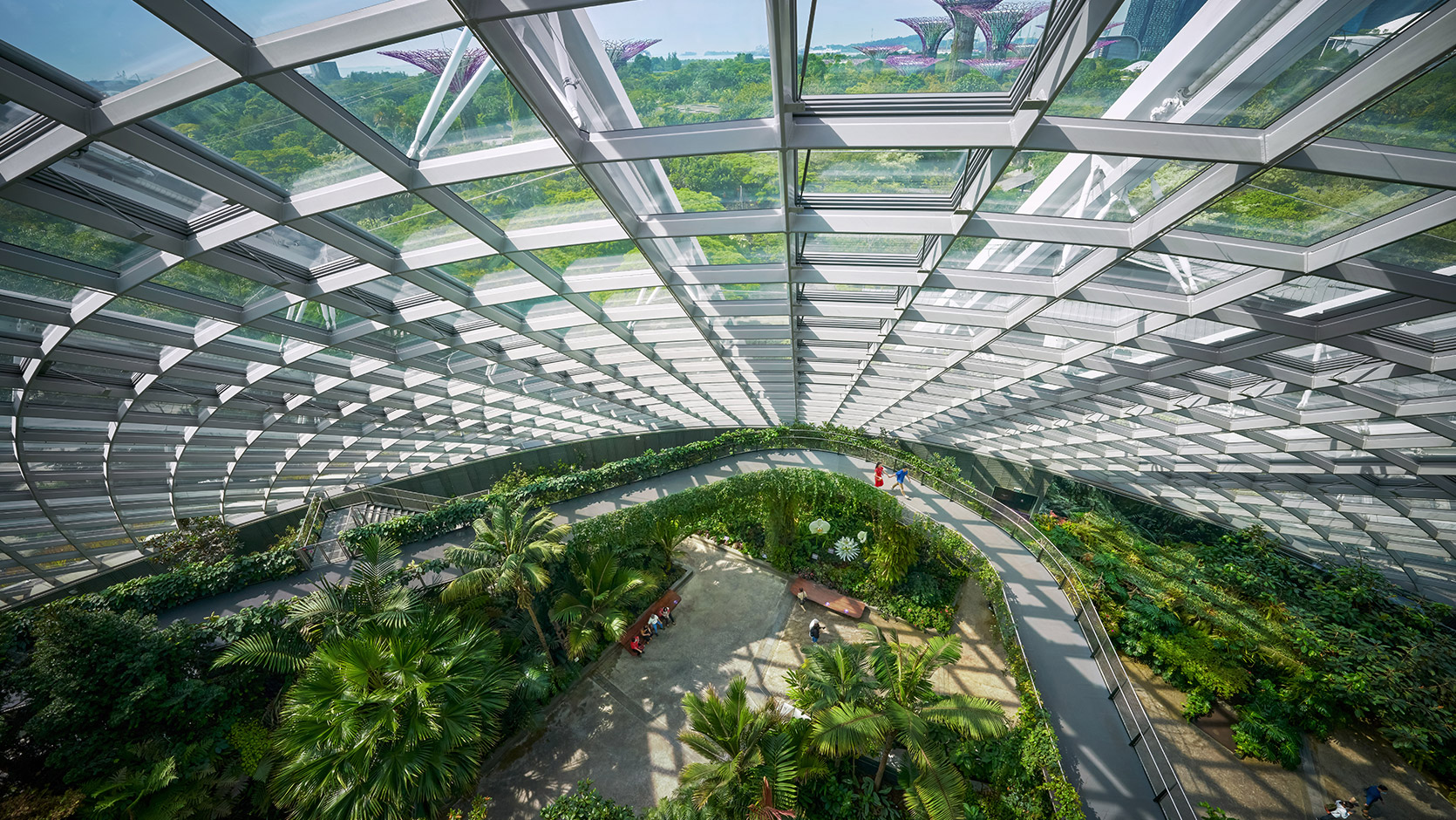
- Biophilic Design: Biophilic design integrates natural elements, such as daylight, vegetation, and natural materials, into the built environment to enhance occupant well-being and connection to nature. Biophilic design has been shown to improve productivity, reduce stress, and promote overall health and wellness in buildings.
- Circular Economy Practices: Circular economy practices in architecture aim to minimize waste and maximize resource efficiency by designing buildings for disassembly, reuse, and recycling. By adopting circular economy principles, architects can reduce the environmental impact of construction and contribute to a more sustainable built environment.
- Smart Building Technologies: Smart building technologies, such as building automation systems, sensor networks, and data analytics, enable buildings to optimize energy use, improve indoor comfort, and enhance operational efficiency. These technologies play a key role in advancing sustainable architecture by providing real-time data and insights to inform design decisions and building performance.
In conclusion:
sustainable architecture has evolved into a vital discipline that offers innovative solutions to the environmental, social, and economic challenges of our time. By embracing green building practices, promoting energy efficiency, and integrating sustainable design principles, architects and designers can contribute to a more sustainable and resilient built environment that benefits both people and the planet. The latest achievements in sustainable architecture demonstrate the potential for creativity, innovation, and collaboration to drive positive change in the field and inspire a new generation of sustainable design solutions.
Farzad Jalali Mosalam-2024
en.farzadjalali@gmail.com
WWW.jalaliarch.ir
دیدگاهها
هیچ نظری هنوز ثبت نشده است.