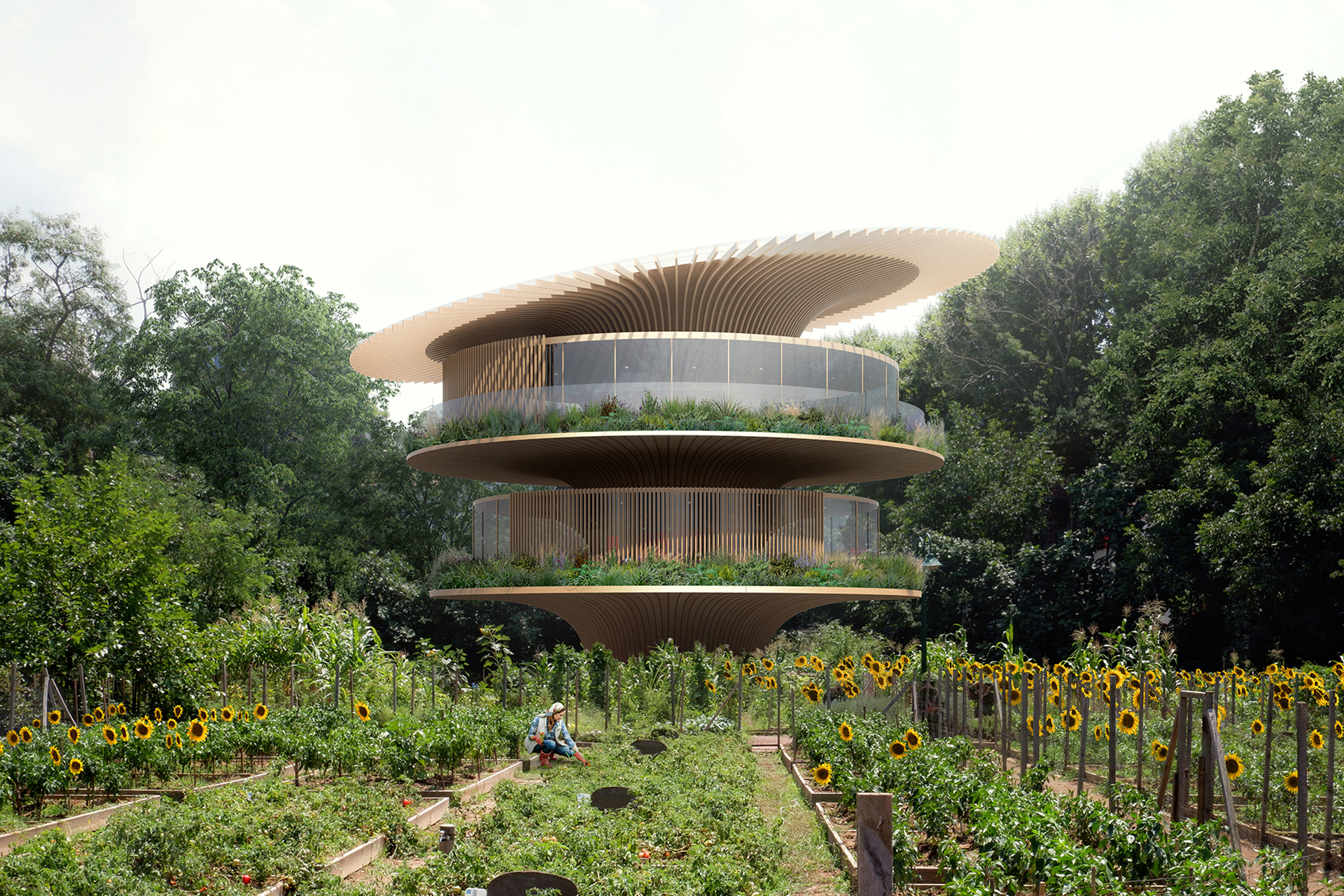
title:
Exploring Biophilic Design: Enhancing Well-being and Sustainability through Nature-Inspired Architecture and Interior Design
Biophilic design is a concept that has gained significant traction in the field of architecture and interior design in recent years. This approach emphasizes the connection between humans and nature, seeking to incorporate natural elements and patterns into the built environment to enhance well-being, productivity, and overall quality of life. In this comprehensive exploration of biophilic design, we will delve into its origins, principles, benefits, applications, and examples to provide a thorough understanding of this transformative design philosophy.
Origins of Biophilic Design:
Biophilic design draws inspiration from biophilia, a term coined by biologist Edward O. Wilson in the 1980s. Biophilia refers to the innate human tendency to seek connections with nature and other forms of life. Wilson proposed that humans have an inherent affinity for nature due to our evolutionary history of living in natural environments. This concept laid the foundation for biophilic design, which seeks to satisfy this innate need for nature in the built environment.
Principles of Biophilic Design:
Biophilic design is guided by several key principles that aim to create environments that support human health and well-being. These principles include:
1.Nature in the Space: Incorporating direct or indirect elements of nature, such as natural light, plants, water features, and natural materials, into the built environment.
2.Natural Shapes and Forms: Using organic shapes, patterns, and textures inspired by nature in architectural elements and interior design.
3.Natural Patterns and Processes: Emulating natural patterns and processes, such as fractals, rhythms, and cycles, in design to create visually appealing and harmonious spaces.
4.Prospect and Refuge: Providing opportunities for both prospect (views of the surrounding environment) and refuge (sheltered and secure spaces) to create a sense of safety and connection to the outdoors.
5.Sensory Experience: Engaging the senses through elements like natural light, fresh air, sounds of nature, and tactile materials to create a multisensory experience.
6.Biophilic Materiality: Using natural and sustainable materials in construction and interior design to promote environmental sustainability and human well-being.
Benefits of Biophilic Design:
The integration of biophilic design principles into the built environment offers a wide range of benefits for occupants, the environment, and society as a whole.
Some of the key benefits include:
1.Improved Well-being: Biophilic design has been shown to reduce stress, enhance mood, increase productivity, and improve overall well-being for building occupants.
2.Enhanced Cognitive Function: Exposure to natural elements and patterns has been linked to improved cognitive function, creativity, and concentration.
3.Health and Healing: Biophilic design can support healing processes in healthcare environments and contribute to faster recovery times for patients.
4.Sustainable Practices: By incorporating natural materials, daylighting, and passive design strategies, biophilic design promotes sustainability and reduces the environmental impact of buildings.
5.Connection to Nature: Biophilic design fosters a deeper connection to nature, even in urban environments, promoting environmental awareness and stewardship.
Applications of Biophilic Design:
Biophilic design can be applied to a wide range of architectural projects, including residential buildings, offices, schools, healthcare facilities, retail spaces, and public spaces.
Some common applications of biophilic design include:
1.Green Roofs and Living Walls: Incorporating vegetation on roofs and walls to improve air quality, reduce heat island effect, and provide habitat for wildlife.
2.Daylighting: Maximizing natural light in interior spaces through strategic placement of windows, skylights, and light wells to reduce energy consumption and enhance well-being.
3.Natural Materials: Using materials such as wood, stone, bamboo, and cork that have a natural aesthetic and low environmental impact.
4.Biophilic Patterns: Integrating natural patterns, such as fractals, spirals, and waves, into architectural elements, flooring, and wall coverings to create visual interest and a sense of harmony.
5.Water Features: Incorporating water elements like fountains, ponds, and water walls to create a calming and refreshing atmosphere.
Examples of Biophilic Design:
Numerous architectural projects around the world showcase the principles of biophilic design in action. Some notable examples include:
1.The Eden Project (United Kingdom): A series of interconnected biomes housing diverse plant species, the Eden Project provides an immersive experience of nature for visitors while promoting environmental education and conservation.
2.Bosco Verticale (Italy): Designed by Stefano Boeri, the Bosco Verticale towers in Milan feature thousands of trees and plants on their facades, creating a vertical forest that improves air quality and biodiversity in the city.
3.Amazon Spheres (United States): Located in Seattle, the Amazon Spheres are a trio of glass domes filled with lush vegetation, creating a biophilic workspace for Amazon employees to connect with nature while working.
4.Singapore Changi Airport (Singapore): Known for its extensive indoor gardens, water features, and natural light, Singapore Changi Airport offers travelers a biophilic experience that reduces stress and enhances the airport environment.
5.The Bullitt Center (United States): As a model of sustainable design, the Bullitt Center in Seattle incorporates biophilic elements such as natural ventilation, daylighting, and green roofs to create a healthy and energy-efficient office building.
Conclusion:
In conclusion, biophilic design represents a holistic approach to architecture and interior design that seeks to reconnect people with nature in the built environment. By incorporating natural elements, patterns, and processes into spaces, biophilic design enhances well-being, promotes sustainability, and fosters a deeper connection to the natural world. As the awareness of the benefits of biophilic design continues to grow, architects, designers, and building owners are increasingly embracing this transformative design philosophy to create healthier, more sustainable, and more inspiring environments for all.
Farzad Jalali Mosalam-2023
en.farzadjalali@gmail.com
www.jalaliarch.ir
دیدگاهها
هیچ نظری هنوز ثبت نشده است.