عنوان:
معماری پایدار: تأثیر آن بر آینده
چکیده:
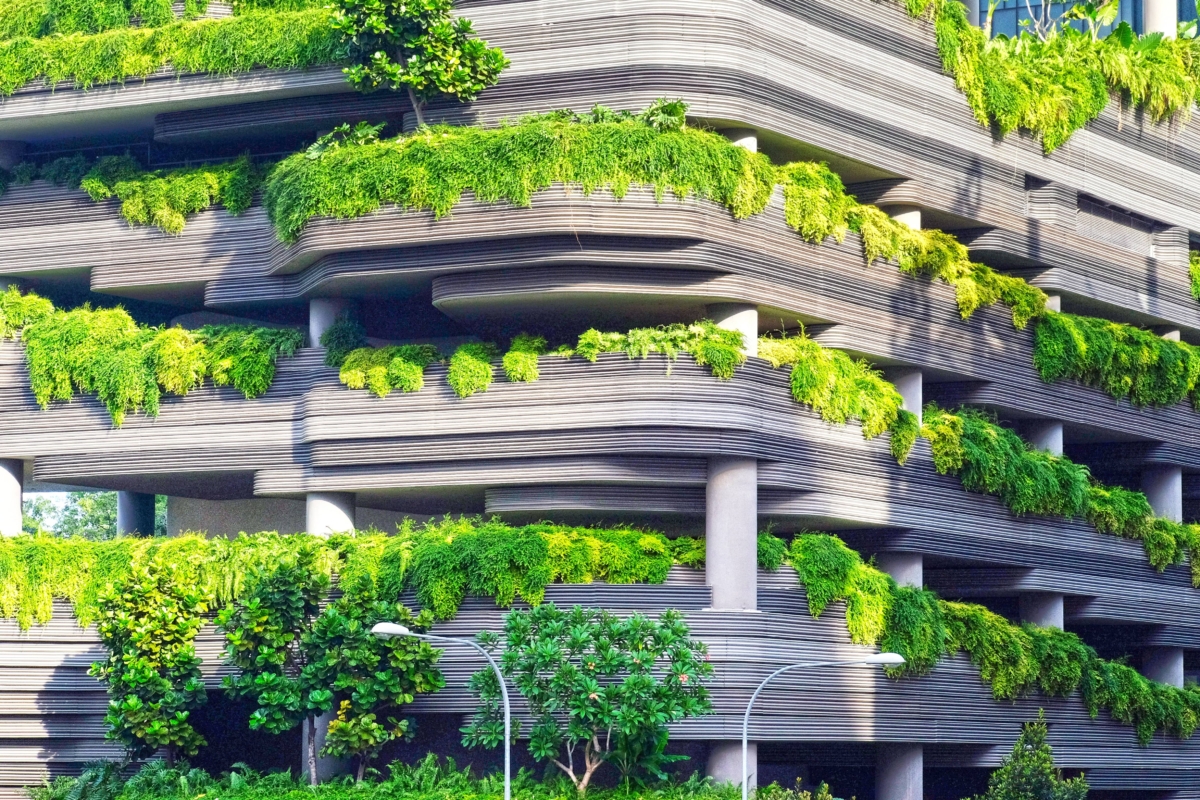
معماری پایدار یک روند رو به رشد در زمینه طراحی و ساخت است که هدف آن کاهش تأثیر محیطی ساختمانها در حالی که فضاهای سالم و کارآمدی برای ساکنان ایجاد میکند. این مقاله اصول معماری پایدار و تأثیر پتانسیل آن بر آینده محیط ساخته شده را بررسی میکند. با گنجاندن منابع انرژی تجدیدپذیر، مواد ساختمانی سبز و استراتژیهای طراحی نوآورانه، معماری پایدار مسیری را به سوی یک آینده بیشتر آگاهانه از نظر محیط زیست و انعطافپذیری ارائه میدهد.
مقدمه:
معماری پایدار، همچنین به عنوان معماری سبز یا طراحی سازگار با محیط زیست شناخته میشود، یک رویکرد طراحی است که به دنبال کمینه کردن تأثیرات منفی محیطی ساختمانها از طریق استفاده کارآمد از منابع، کاهش پسماندها و ایجاد محیطهای داخلی سالم میباشد. با افزایش آگاهی از تغییرات آب و هوا و نیاز به توسعه پایدار، معماری پایدار در جامعه معماری به شهرت رسیده است. این مقاله اصول کلیدی معماری پایدار و تأثیر پتانسیل آن بر آینده معماری و توسعه شهری را بررسی میکند.
اصول کلیدی معماری پایدار:
۱. کارآیی انرژی: ساختمانهای پایدار به منظور کاهش مصرف انرژی از طریق استراتژیهای طراحی فعال، سیستمهای کارآمد انرژی و استفاده از منابع انرژی تجدیدپذیر مانند پنلهای خورشیدی و توربینهای بادی طراحی میشوند.
۲. حفظ آب: ساختمانهای پایدار از تجهیزات صرفهجویی در مصرف آب، سیستمهای جمعآوری آب باران و بازیافت آب خاکستری برای کاهش مصرف آب و ترویج حفظ آب استفاده میکنند.
۳. استفاده از مواد بازیافتی و تجدیدپذیر: معماری پایدار از استفاده از مواد بازیافتی مانند چوب بازیافتی و فولاد بازیافتی، و همچنین مواد تجدیدپذیر مانند بامبو و کرک برای کاهش تأثیر محیطی ساخت و ساز حمایت میکند.
۴. کیفیت محیط داخلی: ساختمانهای پایدار اولویت میدهند به کیفیت هوای داخلی، نور طبیعی و راحتی حرارتی برای ایجاد محیطهای داخلی سالم و موثر برای ساکنان.
۵. برنامهریزی سایت و استفاده از زمین: معماری پایدار با در نظر گرفتن زمینه، تنوع زیستی و خدمات اکوسیستمی به منظور کاهش اختلالات سایت و حفظ محیطهای طبیعی میپردازد.
تأثیر بر آینده:
اعمال رویکردهای معماری پایدار قابلیت تأثیرگذاری قابل توجهی بر آینده محیط ساخته شده دارد. ابتدا، ساختمانهای پایدار میتوانند با کاهش مصرف انرژی و ترویج منابع انرژی تجدیدپذیر، گازهای گلخانهای را کاهش دهند و تغییرات آب و هوا را مهار کنند. ثانیا، معماری پایدار میتواند کیفیت زندگی ساکنان را با ایجاد محیطهای داخلی سالم و راحت بهبود بخشد. سوما، ساختمانهای پایدار میتوانند به انعطافپذیری شهرها و جوامع با کاهش مصرف منابع، ترویج تنوع زیستی و افزایش آمادگی برای بحرانها کمک کنند.
نتیجهگیری:
در پایان، معماری پایدار یک مسیر واعدهآور به سوی یک آینده بیشتر آگاهانه از نظر محیط زیست و انعطافپذیری ارائه میدهد. با یکپارچهسازی اصول طراحی پایدار در محیط ساخته شده، معماران و طراحان میتوانند ساختمانهایی ایجاد کنند که نه تنها زیبا هستند بلکه محیطی دوستانه و اجتماعی پاسخگو نیز هستند. با افزایش تقاضا برای ساختمانهای پایدار، انتظار میرود که تأثیر معماری پایدار بر آینده معماری و توسعه شهری به شدت ژرف باشد.
فرزاد جلالی مسلم-1399
______________________________________________________________
Title:
Sustainable Architecture: Impact on the Future
Abstract:
Sustainable architecture is a growing trend in the field of design and construction, aiming to minimize the environmental impact of buildings while creating healthy and efficient spaces for occupants. This article explores the principles of sustainable architecture and its potential impact on the future of the built environment. By incorporating renewable energy sources, green building materials, and innovative design strategies, sustainable architecture offers a path towards a more environmentally conscious and resilient future.
Introduction:
Sustainable architecture, also known as green architecture or eco-friendly design, is a design approach that seeks to minimize the negative environmental impact of buildings by efficiently using resources, reducing waste, and creating healthy indoor environments. With the increasing awareness of climate change and the need for sustainable development, sustainable architecture has gained prominence in the architectural community. This article examines the key principles of sustainable architecture and its potential impact on the future of architecture and urban development.
Key Principles of Sustainable Architecture:
1. Energy Efficiency:
Sustainable buildings are designed to minimize energy consumption through passive design strategies, energy-efficient systems, and the use of renewable energy sources such as solar panels and wind turbines.
2. Water Conservation:
Sustainable buildings incorporate water-saving fixtures, rainwater harvesting systems, and greywater recycling to reduce water consumption and promote water conservation.
3. Use of Recycled and Renewable Materials:
Sustainable architecture promotes the use of recycled materials, such as reclaimed wood and recycled steel, as well as renewable materials like bamboo and cork, to reduce the environmental impact of construction.
4. Indoor Environmental Quality:
Sustainable buildings prioritize indoor air quality, natural lighting, and thermal comfort to create healthy and productive indoor environments for occupants.
5. Site Planning and Land Use:
Sustainable architecture considers the site context, biodiversity, and ecosystem services to minimize site disturbance and preserve natural habitats.
Impact on the Future:
The adoption of sustainable architecture practices has the potential to significantly impact the future of the built environment in several ways. Firstly, sustainable buildings can reduce greenhouse gas emissions and mitigate climate change by minimizing energy consumption and promoting renewable energy sources. Secondly, sustainable architecture can improve the quality of life for occupants by creating healthy and comfortable indoor environments. Thirdly, sustainable buildings can contribute to the resilience of cities and communities by reducing resource consumption, promoting biodiversity, and enhancing disaster preparedness.
Conclusion:
In conclusion, sustainable architecture offers a promising path towards a more environmentally conscious and resilient future. By integrating sustainable design principles into the built environment, architects and designers can create buildings that are not only aesthetically pleasing but also environmentally friendly and socially responsible. As the demand for sustainable buildings continues to grow, the impact of sustainable architecture on the future of architecture and urban development is expected to be profound.
Farzad Jalali Mosalam-2019
دیدگاهها (۱)
ناشناس
۱۷ اسفند ۰۲ ، ۰۲:۴۹
میتونم از مقالتون برای اراعه دانشگاه استفاده کنم؟
پاسخ:
۱۷ اسفند ۰۲، ۰۲:۵۰