عنوان:
مواد جدید و نوآورانه و تاثیر آنها بر معماری معاصر
چکیده:
این مقاله به بررسی اهمیت مواد جدید و نوآورانه در معماری معاصر و تأثیر آنها بر طراحی و ساخت ساختمانهای مدرن میپردازد. استفاده از مواد پیشرفته، زمینه معماری را ثورت داده است و به معماران امکان میدهد که حدود خلاقیت و پایداری را گسترش دهند. این مقاله ویژگیهای این مواد را، کاربردهای آنها در معماری و تأثیر تحولآفرین آنها بر محیط ساختهشده بررسی میکند.
مقدمه:
در دنیای به سرعت تغییرکننده معماری، معرفی مواد جدید و نوآورانه فضایی از امکانات را برای معماران و طراحان باز کرده است. این مواد، از کامپوزیتهای پیشرفته تا جایگزینهای پایدار، رویه ساختمانها را کهنه کردهاند و به طراحان امکان میدهند که ساختمانها را به شکلها، ساختارها و تجربیات جدیدی طراحی کنند. این مقاله به بررسی طیف گستردهای از مواد جدیدی که امروزه برای معماران در دسترس است میپردازد و نحوه یکپارچهسازی آنها چگونگی تغییراتی است که در روشهای معماری معاصر ایجاد میکنند.
ویژگیهای مواد جدید:
1. پایداری: بسیاری از مواد جدید به لحاظ زیستمحیطی موثر و پایدار هستند و به معماران فرصت طراحی و ساخت ساختمانها با اثر کربن کمتر را میدهند.
2. انعطافپذیری: مواد پیشرفته به معماران انعطاف بیشتری در طراحی میدهند و امکان ایجاد ساختمانهای پیچیده و پویا که قبلاً قابل دستیابی نبودند را فراهم میکنند.
3. دوام: مواد جدید اغلب دوام و طولانیمدت بهتری ارائه میدهند، اطمینان مییابند که ساختمانها میتوانند در برابر چالشهای زمان و محیطی مقاومت کنند.
4. زیبایی: مواد نوآورانه میتوانند با معرفی تکسچرها، رنگها و اثرات بصری جدید، جلوه زیبایی کلی ساختمانها را افزایش دهند.
کاربردها در معماری معاصر:
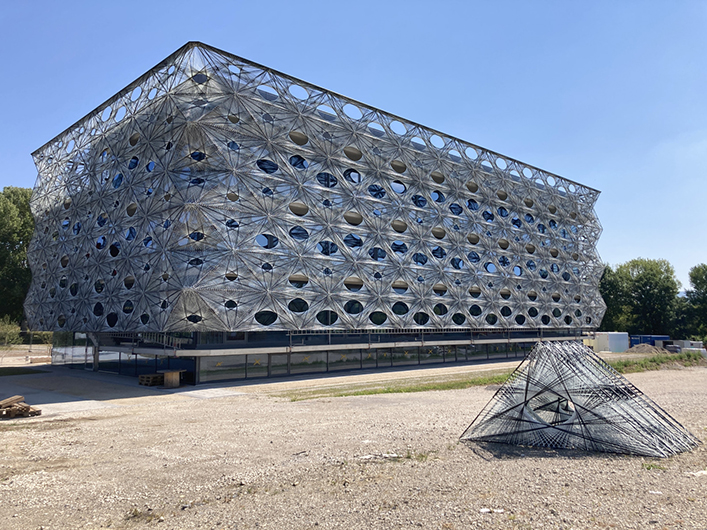
1. طراحی نمای: از مواد جدید برای ایجاد نمایهای چشمگیر استفاده میشود که نه تنها ظاهر ساختمانها را بهبود میبخشد بلکه به بهرهوری انرژی و پایداری نیز کمک میکند.
2. نوآوری ساختاری: مواد پیشرفته مانند فیبر کربن و چوب مهندسی شده، طراحی ساختاری را ثورت دادهاند و امکان ساخت ساختمانهای سبک ولی قوی را فراهم میکنند.
3. طراحی داخلی: مواد نوآورانه به فضاهای داخلی اضافه میشوند تا محیطهای منحصر به فرد و جذابی ایجاد کنند که به نیازها و ترجیحات ساکنان پاسخ میدهد.
4. روشهای پایدار: استفاده از مواد جدید، روشهای ساختمانی پایدار را ترویج میدهد، مصرف انرژی را کاهش میدهد و تأثیر زیستمحیطی پروژههای ساختمانی را کمینه میکند.
تأثیر بر محیط ساختهشده:
یکپارچهسازی مواد جدید و نوآورانه در معماری معاصر به شکلدهی محیط ساختهشده به شکلهای ژرفی تغییر میدهد. از ابرساختمانهای نمادین تا پروژههای مسکونی پایدار، این مواد به معماران امکان میدهند تا ایدههای خود را به واقعیت بپیوندند و ساختمانهایی را ایجاد کنند که نه تنها زیبایی بصری دارند بلکه مسئولیتپذیری زیستمحیطی را نیز بر عهده دارند. همانطور که زمینه معماری ادامه مییابد، استفاده از مواد جدید نقش حیاتی در شکلدهی آینده محیط ساختهشده خواهد داشت.
نتیجهگیری:
مواد جدید و نوآورانه در حال انقلابی کردن معماری معاصر هستند و به معماران فرصتهای بیسابقهای برای ایجاد ساختمانهای پایدار، زیبا و پیشرفته فناورانه ارائه میدهند. با پذیرش این مواد و بررسی کاربردهای آنها، معماران میتوانند حدود طراحی و ساخت را گسترش دهند و به محیط ساختهشدهای که برای نسلهای آینده پایدار و زیبا باشد، راه یابند.
فرزاد جلالی مسلم-1400
____________________________________________
Title:
New and Innovative Materials and Their Impact on Contemporary Architecture
Abstract:
This article explores the significance of new and innovative materials in contemporary architecture and their influence on the design and construction of modern buildings. The use of advanced materials has revolutionized the field of architecture, allowing architects to push the boundaries of creativity and sustainability. This paper discusses the characteristics of these materials, their applications in architecture, and the transformative impact they have on the built environment.
Introduction:
In the rapidly evolving world of architecture, the introduction of new and innovative materials has opened up a realm of possibilities for architects and designers. These materials, ranging from advanced composites to sustainable alternatives, have reshaped the way buildings are conceived, constructed, and experienced. This article delves into the diverse range of new materials available to architects today and examines how their integration is reshaping contemporary architectural practices.
Characteristics of New Materials:
1. Sustainability: Many new materials are environmentally friendly and sustainable, offering architects the opportunity to design and construct buildings with reduced carbon footprints.
2. Flexibility: Advanced materials provide architects with greater flexibility in design, allowing for the creation of complex and dynamic structures that were previously unattainable.
3. Durability: New materials often offer enhanced durability and longevity, ensuring that buildings can withstand the test of time and environmental challenges.
4. Aesthetics: Innovative materials can introduce new textures, colors, and visual effects to architectural design, enhancing the overall aesthetic appeal of buildings.
Applications in Contemporary Architecture:
1. Facade Design: New materials are being used to create visually striking facades that not only enhance the appearance of buildings but also improve energy efficiency and sustainability.
2. Structural Innovation: Advanced materials such as carbon fiber and engineered timber are revolutionizing structural design, allowing for the construction of lightweight yet strong buildings.
3. Interior Design: Innovative materials are being incorporated into interior spaces to create unique and immersive environments that cater to the needs and preferences of occupants.
4. Sustainable Practices: The use of new materials is promoting sustainable building practices, reducing energy consumption, and minimizing the environmental impact of construction projects.
Impact on the Built Environment:
The integration of new and innovative materials in contemporary architecture is reshaping the built environment in profound ways. From iconic skyscrapers to sustainable housing projects, these materials are enabling architects to realize their visions and create buildings that are not only visually stunning but also environmentally responsible. As the field of architecture continues to evolve, the use of new materials will play a crucial role in shaping the future of the built environment.
Conclusion:
New and innovative materials are revolutionizing contemporary architecture, offering architects unprecedented opportunities to create sustainable, visually striking, and technologically advanced buildings. By embracing these materials and exploring their potential applications, architects can push the boundaries of design and construction, leading to a more sustainable and aesthetically pleasing built environment for future generations.
Farzad Jalali Mosalam-2020
دیدگاهها (۲)
ناشناس
۱۷ اسفند ۰۲ ، ۰۲:۴۸
kheili khoob bood
moafagh bashid:)
پاسخ:
۱۷ اسفند ۰۲، ۰۲:۵۱
ناشناس
۱۷ اسفند ۰۲ ، ۰۲:۴۸
خوب مینویسید این مقاله ها ثبت شده هستند؟
پاسخ:
۱۷ اسفند ۰۲، ۰۲:۵۱