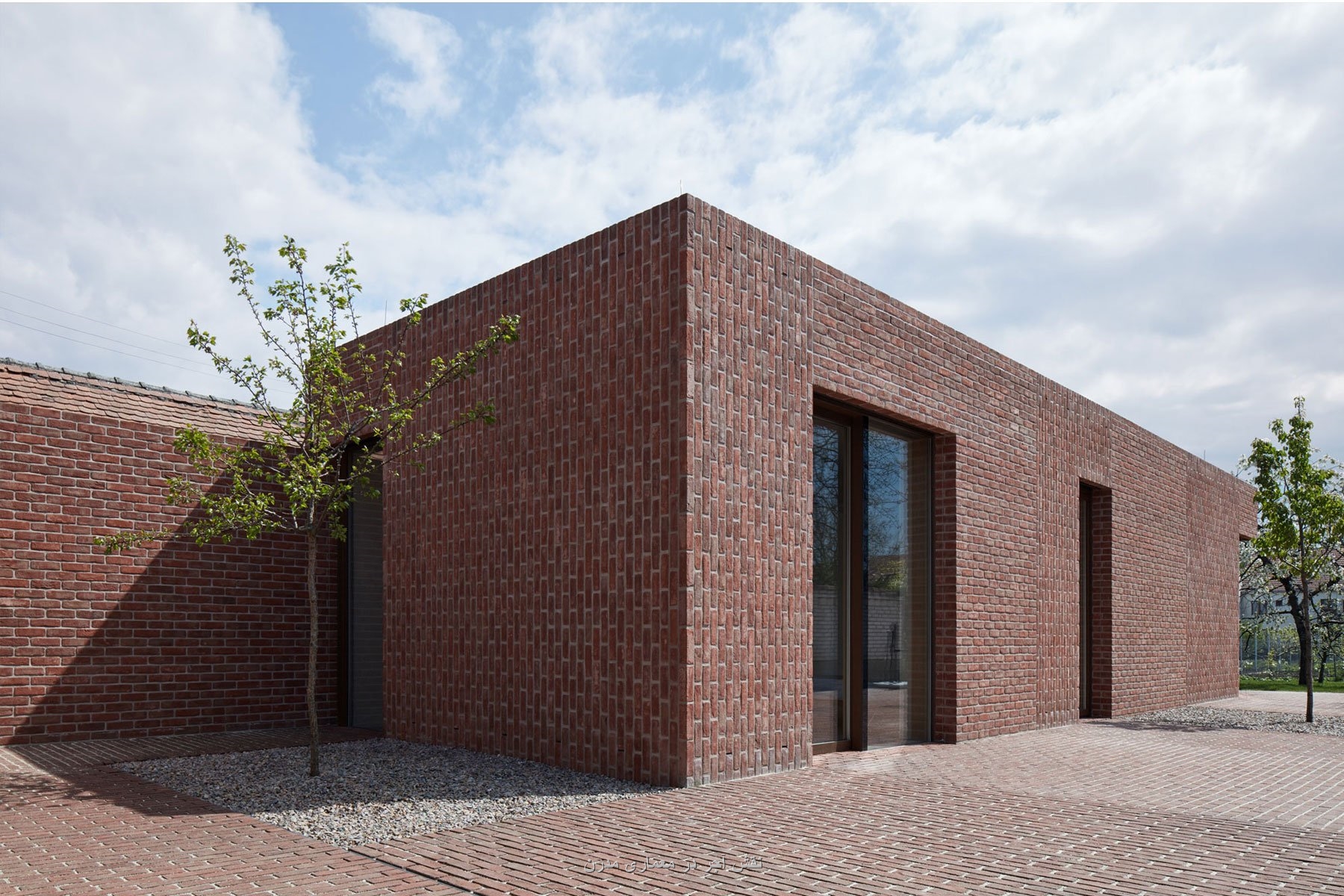
عنوان:
"تکامل ساخت و ساز پایدار با استفاده از آجر: نوآوریها، چالشها و چشمانداز آینده"
چکیده:
ساخت و ساز با استفاده از آجر از قرنها پیش برجستهترین مواد ساختمانی بوده است که از دوام، جذابیت ظاهری و انطباق سازهای برخوردار است. در سالهای اخیر، تأکید بر شیوههای ساخت و ساز پایدار، باعث بازنگری در روشهای سنتی تولید آجر شده است. این مقاله به بررسی تکامل ساخت و ساز پایدار با استفاده از آجر میپردازد، نکات نوآورانه را برجسته میکند، چالشها را مورد بررسی قرار میدهد و چشمانداز آینده ساخت و ساز پایدار با آجر را مشخص میکند.
مقدمه:
ساخت و ساز با استفاده از آجر به عنوان یک ماده ساختمانی قابل اعتماد و چندکاره شناخته شده است. با این حال، تأثیر زیستمحیطی تولید آجر سنتی، از جمله مصرف بالای انرژی و گازهای گلخانهای، نگرانیهایی درباره پایداری ایجاد کرده است. به عنوان پاسخ، معماران، مهندسان و پژوهشگران به بررسی رویکردهای جدید در تولید آجر پرداختهاند که از شیوههای دوستدار محیطزیست برخوردار بوده و اثرات کربنی صنعت را کاهش میدهند.
بخش اول: تکنیکهای تولید آجر پایدار
پیشرفتهای حاصل از تکنیکهای تولید آجر پایدار، روشهای تولید آجر را زیر سوال برده است. از استفاده از مواد بازیافتی مانند خاکستر پروازی و شن و ماسه تا توسعه کورهها و ماشینآلات کارآمد انرژی، صنعت در کاهش تأثیرات زیستمحیطی خود پیشرفت قابل توجهی کرده است. علاوه بر این، پذیرش گواهینامهها و استانداردهای ساخت سبز، تولیدکنندگان را تشویق به اولویتبندی پایداری در فرآیندهای تولید خود میکند.
بخش دوم: مزایای ساخت و ساز پایدار با استفاده از آجر
انتقال به ساخت و ساز پایدار با استفاده از آجر مزایای فراوانی را ارائه میدهد، هم برای محیط زیست و هم برای ساکنان ساختمان. آجرهای پایدار به دلیل کارآیی انرژی، عملکرد حرارتی و دوام خود، گزینهای ایدهآل برای سازندگان با انگیزه زیستمحیطی هستند. علاوه بر این، ساختمانهای آجری پایدار اثر مثبتی بر کیفیت هوای داخلی، سلامت ساکنان و کلیت رفاه دارند.
بخش سوم: چالشها و موانع در ساخت و ساز پایدار با استفاده از آجر
با وجود پیشرفتهای حاصل از تولید آجر پایدار، هنوز چالشها و موانعی وجود دارد که باید به آنها پرداخته شود. مسائلی مانند تأثیرات هزینهای، موانع قانونی و تقاضای بازار برای مواد ساختمانی سنتی، موانعی را برای پذیرش گستردهی ساخت و ساز پایدار با آجر ایجاد میکنند. علاوه بر این، نیاز به نیروی کار ماهر و دانش تخصصی در روشهای ساخت و ساز پایدار، یک منحنی یادگیری برای حرفهایان صنعت ایجاد میکند.
بخش چهارم: چشمانداز آینده و نوآوریها در ساخت و ساز پایدار با استفاده از آجر
با نگاه به آینده، چشمانداز ساخت و ساز پایدار با استفاده از آجر واعظ است، با تحقیقات و توسعههایی که در راه حلهای نوآورانه قرار دارند. فناوریهای نوظهور مانند چاپ سهبعدی، مواد بیولوژیکی و روشهای تولید کربن صفر، قدرت بزرگی برای انقلاب در صنعت آجر دارند. همکاری بین ذینفعان، سرمایهگذاری در زیرساختهای پایدار و آموزش در زمینه روشهای ساخت سبز، عوامل کلیدی در شکلدهی به آینده ساخت و ساز پایدار با آجر خواهند بود.
نتیجه:
در پایان، تکامل ساخت و ساز پایدار با استفاده از آجر نمایانگر یک تغییر پارادایمی در صنعت ساخت و ساز به سمت رویکردهای بیشتری به محیطزیست است. با پذیرش فناوریهای نوآور، پرداختن به چالشها و ترویج همکاری، پتانسیل ساخت و ساز پایدار با آجر برای رشد بسیار بزرگی دارد. همانطور که ما ادامه میدهیم به اولویتبندی پایداری در ساخت و ساز، تولید پایدار آجر نقشی حیاتی در شکلدهی به محیط ساخته شده سبزتر، سالمتر و مقاومتر برای نسلهای آینده خواهد داشت.
فرزاد جلالی مسلم-1399
__________________________________________________________________________
:Title
The Evolution of Sustainable Brick Construction: Innovations, Challenges, and Future Prospects
:Abstract
Brick construction has been a cornerstone of architectural design for centuries, offering durability, aesthetic appeal, and structural integrity. In recent years, there has been a growing emphasis on sustainable building practices, prompting a reevaluation of traditional brick production methods. This article explores the evolution of sustainable brick construction, highlighting innovative technologies, addressing challenges, and outlining future prospects for environmentally friendly brick architecture
:Introduction
Brick construction has stood the test of time as a reliable and versatile building material. However, the environmental impact of traditional brick production, including high energy consumption and carbon emissions, has raised concerns about sustainability. In response, architects, engineers, and researchers have been exploring new approaches to brick manufacturing that prioritize eco-friendly practices and reduce the industry's carbon footprint
Section One: Sustainable Brick Production Techniques
Advancements in sustainable brick production techniques have revolutionized the way bricks are manufactured. From utilizing recycled materials such as fly ash and slag to developing energy-efficient kilns and machinery, the industry has made significant strides in reducing its environmental impact. Additionally, the adoption of green building certifications and standards has incentivized manufacturers to prioritize sustainability in their production processes
Section Two: Benefits of Sustainable Brick Construction
The shift towards sustainable brick construction offers a myriad of benefits, both for the environment and building occupants. Sustainable bricks are known for their energy efficiency, thermal performance, and durability, making them an ideal choice for eco-conscious builders. Furthermore, sustainable brick buildings have been shown to have a positive impact on indoor air quality, occupant health, and overall well-being
Section Three: Challenges and Barriers to Sustainable Brick Construction
Despite the progress made in sustainable brick production, there are still challenges and barriers that need to be addressed. Issues such as cost implications, regulatory hurdles, and market demand for traditional building materials pose obstacles to widespread adoption of sustainable brick construction. Additionally, the need for skilled labor and specialized knowledge in sustainable building practices presents a learning curve for industry professionals
Section Four: Future Prospects and Innovations in Sustainable Brick Construction
Looking ahead, the future of sustainable brick construction is promising, with ongoing research and development paving the way for innovative solutions. Emerging technologies such as 3D printing, bio-based materials, and carbon-neutral production methods hold great potential for revolutionizing the brick industry. Collaboration between stakeholders, investment in sustainable infrastructure, and education on green building practices will be key drivers in shaping the future of sustainable brick construction
:Conclusion
In conclusion, the evolution of sustainable brick construction represents a paradigm shift in the building industry towards more environmentally conscious practices. By embracing innovative technologies, addressing challenges, and fostering collaboration, the potential for sustainable brick architecture to thrive is immense. As we continue to prioritize sustainability in construction, sustainable brick production will play a pivotal role in shaping a greener, healthier, and more resilient built environment for future generations
Farzad Jalali Mosalam-2019
دیدگاهها
هیچ نظری هنوز ثبت نشده است.